EN
EN

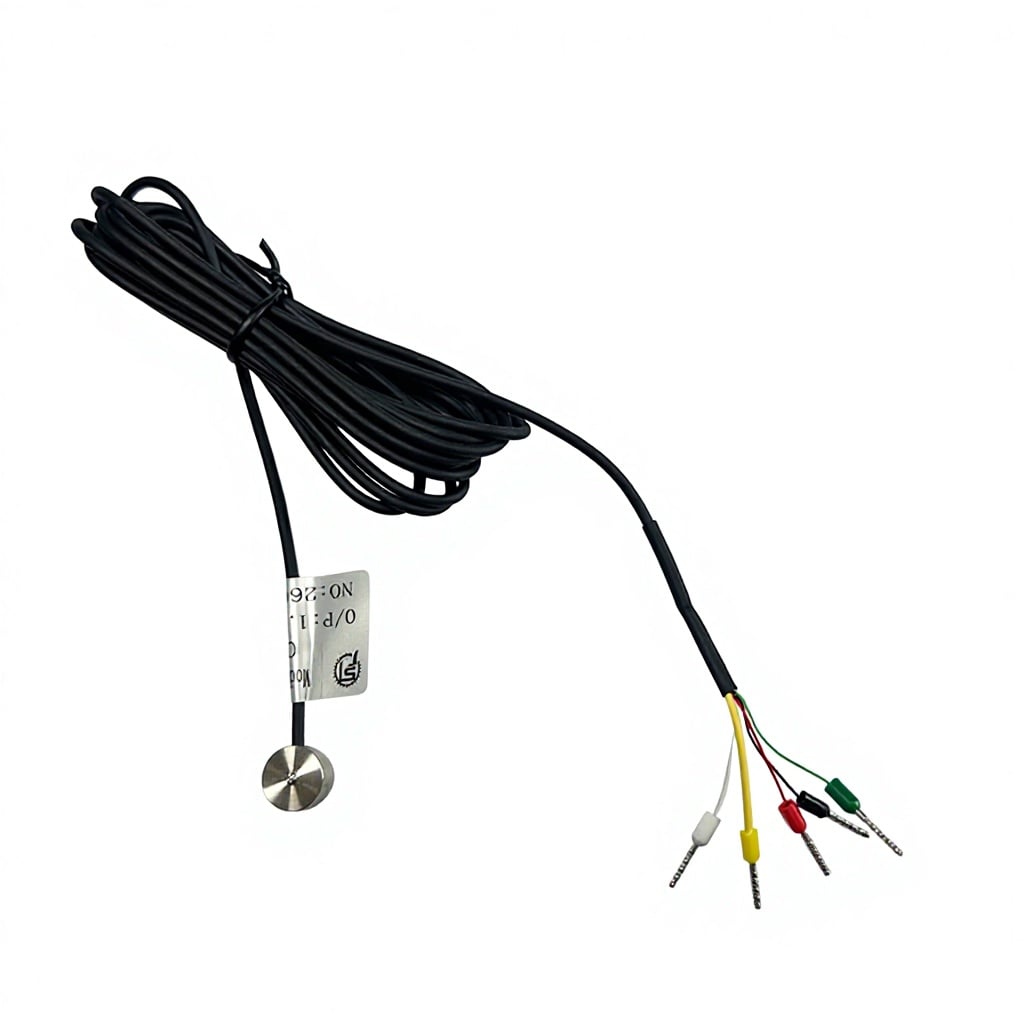
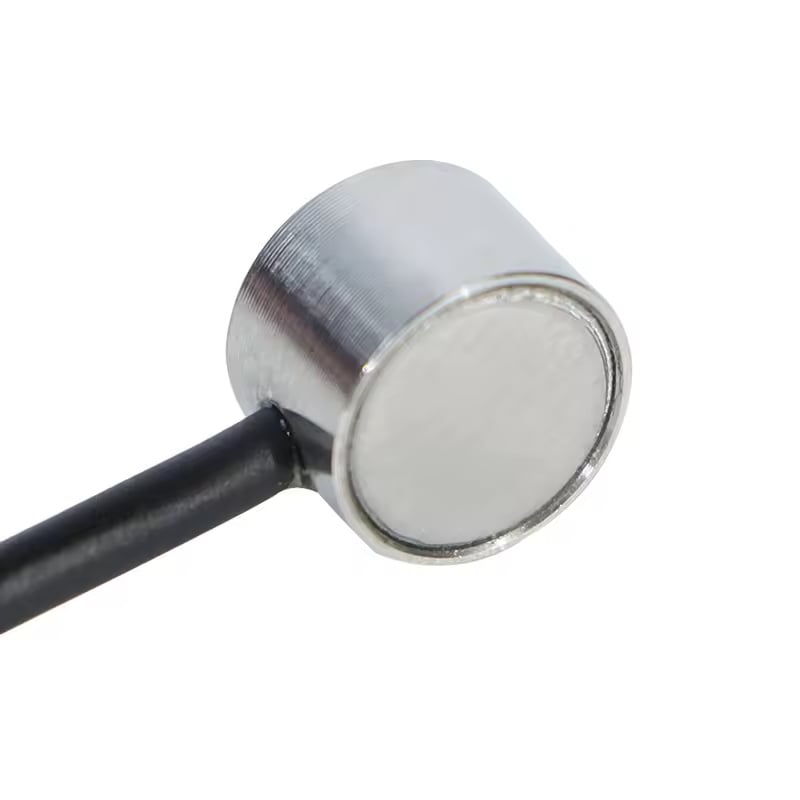
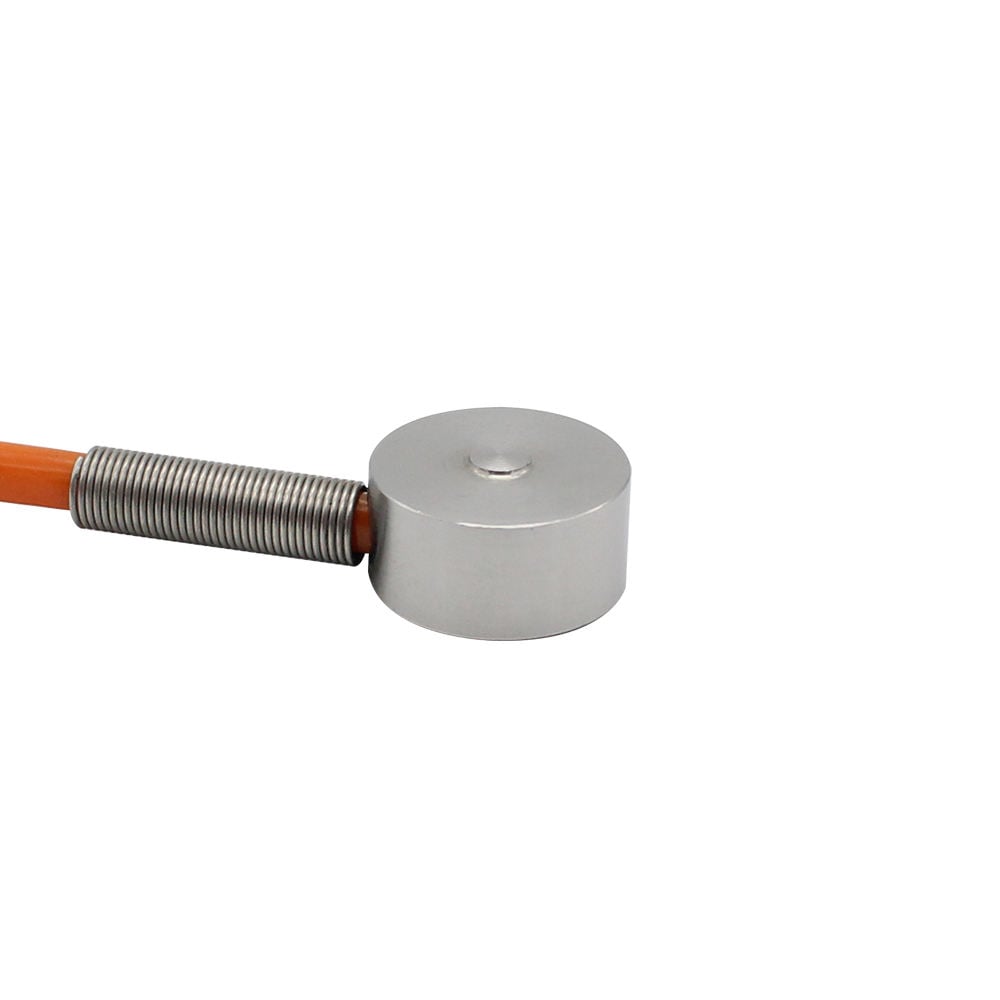
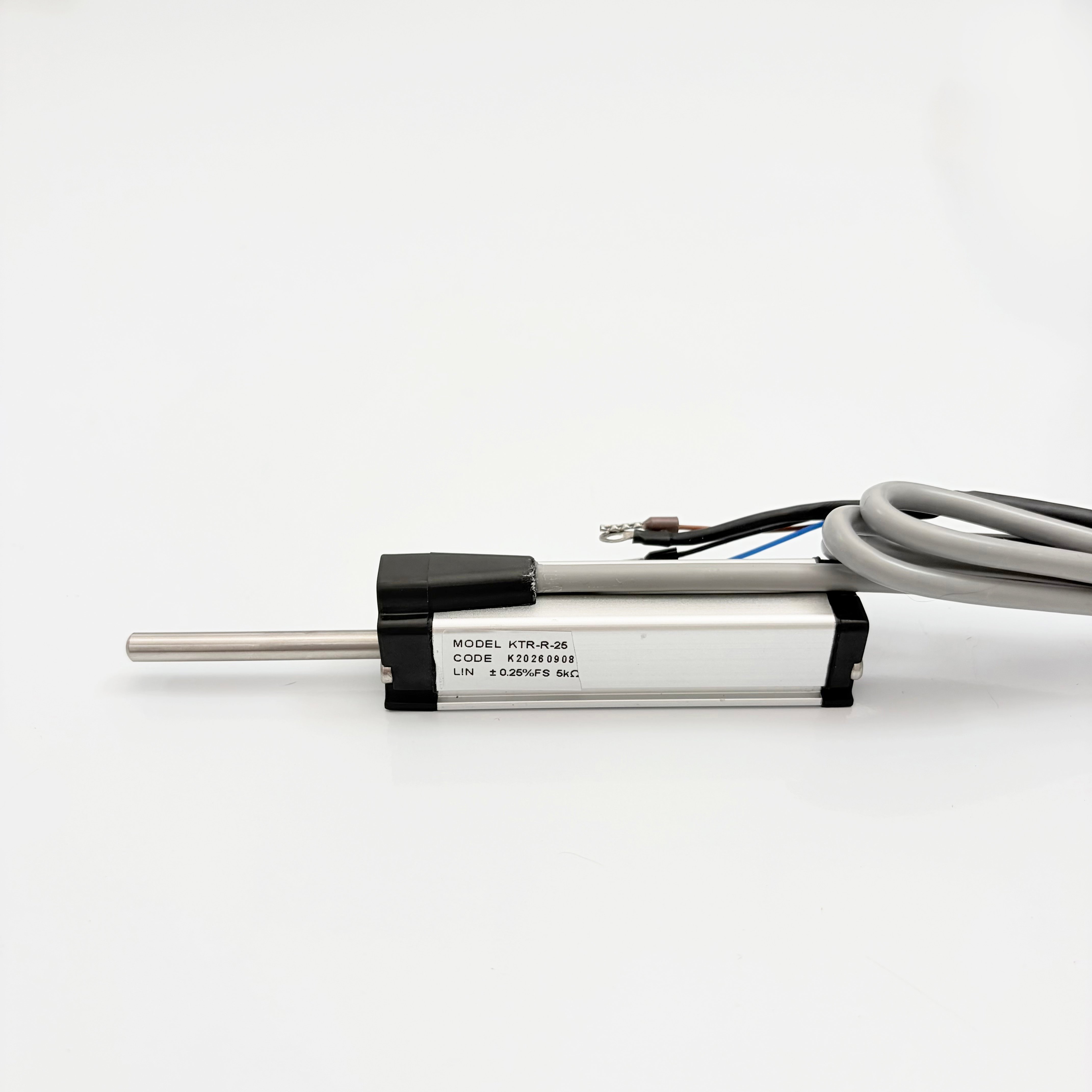
Product Selection Support
Our engineers help you choose the right load cell based on application requirements, capacity, accuracy, and operating conditions.
Place of Origin: Jiangxi,China
Brand Name: PMC
Model Number: PMC-JN101
Application: Tension measurement
Minimum Order Quantity: 1 piece
Packaging Details: To be packed with small box.
Delivery Time: 3-5 working days after shipment by Express
Payment Terms: T/T
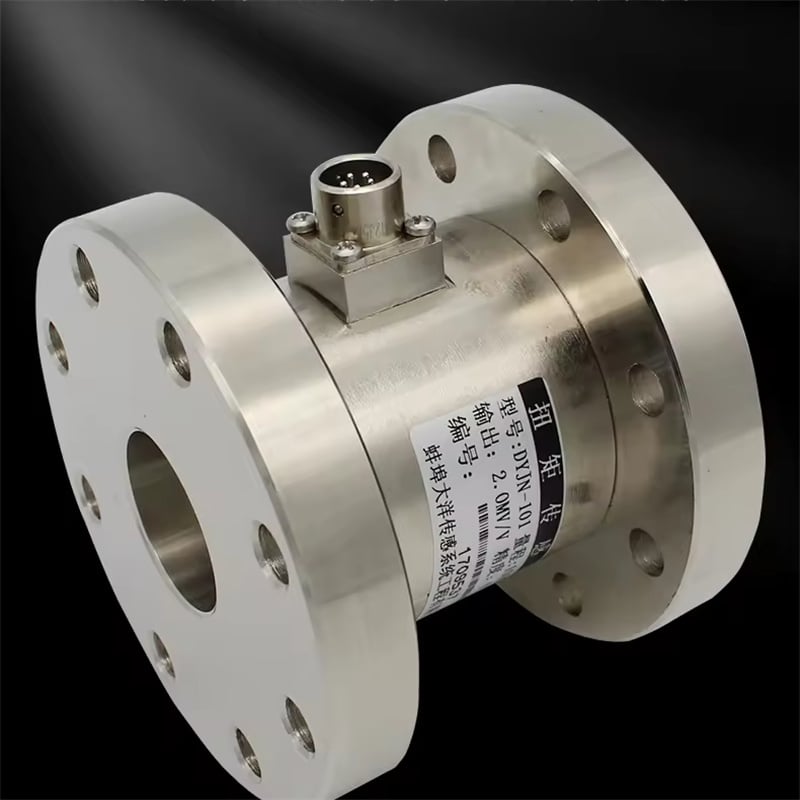
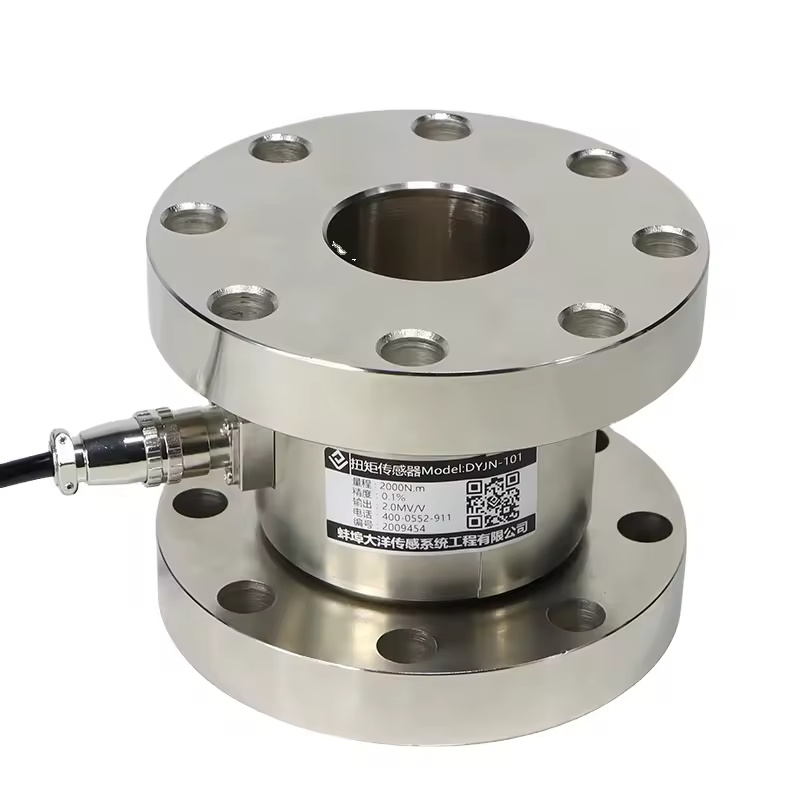
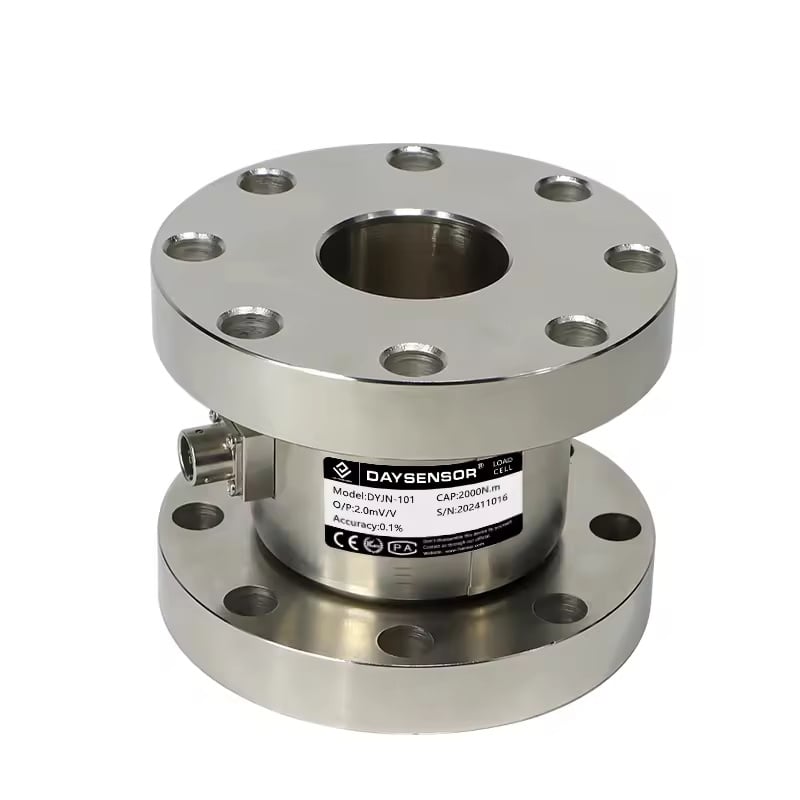
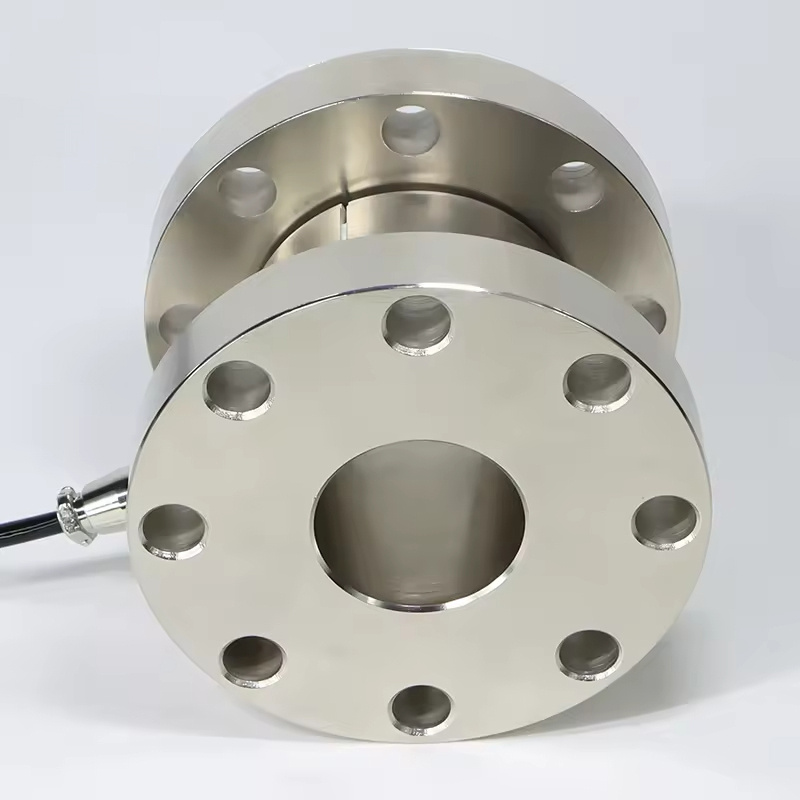
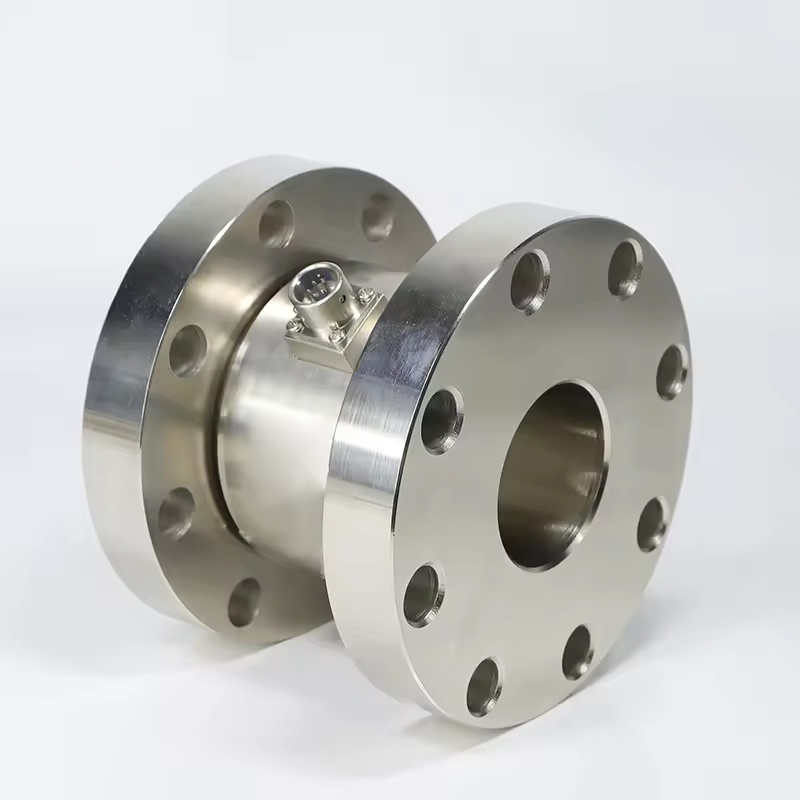
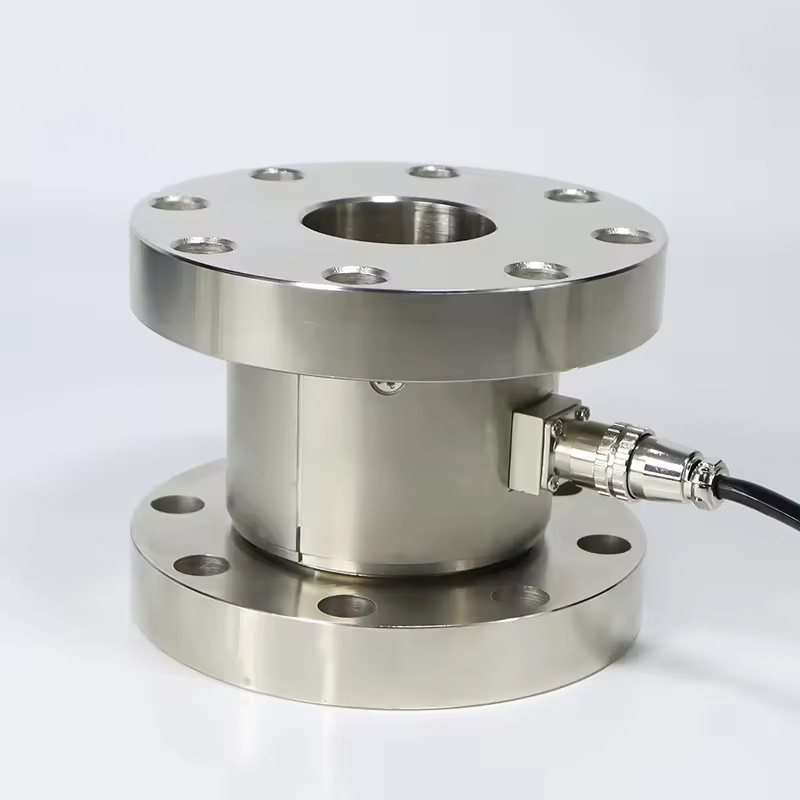
This torque sensor is suitable for static and non-continuous rotating conditions, supports non-standard customization, and is made of high-quality alloy steel, featuring strong anti-interference and stable signal. It is widely used in testing machines, torque wrenches, steering mechanisms, electric actuators, valves, transmission devices, and hydraulic static torque testing systems
PST Alloy Steel Static Torque Sensor Fixed 5-15V Output Signal — High-Precision, Waterproof Torque Sensor for Industrial and Hydraulic Applications
The PST alloy steel static torque sensor is engineered for demanding torque measurement applications where reliability, accuracy, and durability are essential. As a leading solution from JIANGXI JINGCE SENSING TECHNOLOGY CO., LTD., this alloy steel torque sensor offers a fixed 5–15V output signal, capacity range from 20 to 100,000 Nm, 0.1% accuracy, and IP65 waterproof protection. Designed for both static and quasi-static torque monitoring, the static torque sensor integrates robust materials, advanced strain measurement technology, and industry-focused calibration to deliver consistent performance across lifting, weighing, automation, and new energy systems.
Product Overview and Core Capabilities
The PST alloy steel static torque sensor is a high-precision torque sensor built around an optimized alloy steel shaft and precision strain gauge network. The alloy steel torque sensor is intended for static torque measurement, making it ideal for test stands, bench-testing at manufacturing lines, stationary safety monitoring, and hydraulic system verification. As a waterproof torque sensor with IP65 protection, it withstands dust ingress and low-pressure water jets, ensuring stable operation in challenging industrial environments.
The static torque sensor supports a fixed 5–15V output signal, enabling seamless integration with common data acquisition systems, PLCs, and torque display controllers. This simplicity of interface reduces installation complexity and accelerates commissioning timelines. The alloy steel torque sensor is available across a broad capacity range—20 to 100,000 Nm—allowing the same core technology to be applied from small laboratory setups to heavy-duty hydraulic torque systems.
Key Features and Advantages
- High accuracy: The high-precision torque sensor achieves 0.1% accuracy, ensuring repeatable and reliable torque readings for critical applications. This high-precision torque sensor performance allows engineers to confidently validate designs and maintain tight process control.
- Robust construction: Constructed from high-grade alloy steel, the alloy steel torque sensor delivers excellent fatigue resistance and mechanical strength. Its rugged build supports long service life even under heavy loads.
- Waterproof protection: As a waterproof torque sensor with IP65 rating, it resists ingress from dust and water jets, making it suitable for outdoor installations, harsh factory floors, and environments where splashed fluids or debris are present.
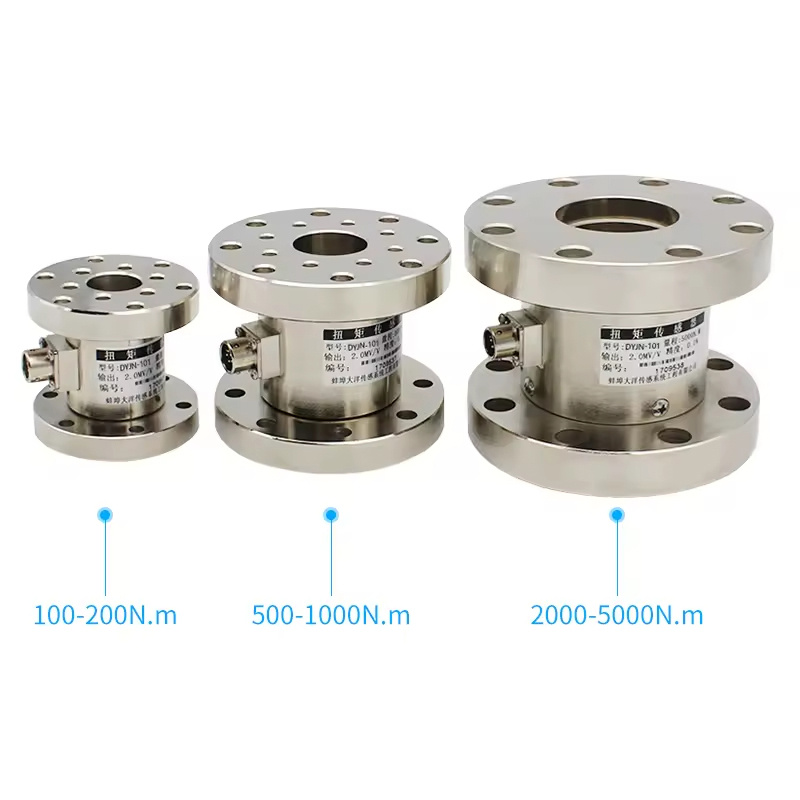
- Wide capacity range: The product family covers capacities from 20 to 100,000 Nm to accommodate diverse needs. Whether testing small electric motors or monitoring large hydraulic actuators, the static torque sensor line provides scalable options.
Applications and Use Cases
The PST alloy steel static torque sensor is purpose-built for a broad array of applications across industrial sectors. Key use cases include:
- Lifting and rigging systems: Monitor torque on winches, hoists, and lifting gear to ensure the safety and reliability of lifting operations. The waterproof torque sensor design makes it suitable for outdoor lifting equipment exposed to weather.
- Weighing and force measurement: Integrate the high-precision torque sensor into calibration rigs and test benches where torque and torsional loads must be measured to certified accuracy.
- Automation and robotics: Use the static torque sensor to validate motor torque profiles, ensure proper motor tuning, and track torque-related faults in robotic joints and automated machinery.
- Hydraulic systems: Apply the alloy steel torque sensor in hydraulic actuator testing, hydraulic pump verification, and torque monitoring in heavy equipment, where hydraulic strain compatibility is essential.
Innovation and Technical Differentiators
PST’s alloy steel static torque sensor incorporates several technical innovations that distinguish it from conventional torque measurement devices:
- Optimized strain gauge topology: The sensor uses a precision strain gauge arrangement tailored to torsional loading, minimizing cross-sensitivity and temperature-induced drift. This results in a high-precision torque sensor output that remains stable across varying ambient conditions.
- Alloy steel metallurgy tuning: Through specialized heat treatment and surface finishing, the alloy steel torque sensor achieves superior fatigue life and consistent mechanical response, reducing calibration drift over long-term use.
- Integrated waterproof sealing: The waterproof torque sensor integrates robust sealing techniques at sensor junctions and connectors, preserving sensor integrity in dusty or wet environments and extending maintenance intervals.
- Factory calibration and traceability: Each static torque sensor is factory-calibrated and documented to ensure traceability and compliance with CE/RoHS standards. This attention to calibration enables customers to meet rigorous quality assurance and regulatory requirements.
Installation, Integration, and Support
The PST static torque sensor is designed for straightforward mechanical and electrical integration. Its fixed 5–15V output signal fits common input ranges for industrial controllers and data acquisition modules. The alloy steel torque sensor offers flexible mounting configurations, allowing engineers to adopt either through-shaft or flange-mounted installations depending on system constraints.
PST provides comprehensive technical documentation, installation guides, and calibration certificates with every delivery. Our engineering support includes assistance with signal conditioning, connector options, and environmental protection measures to ensure the waterproof torque sensor performs optimally in the field.
Performance and Reliability
Backed by JIANGXI JINGCE SENSING TECHNOLOGY CO., LTD.’s decades of sensor expertise, the PST high-precision torque sensor delivers dependable performance under continuous operation. The alloy steel torque sensor’s robust materials and precision manufacturing reduce susceptibility to hysteresis and mechanical creep, supporting consistent torque measurement over extensive duty cycles. The IP65-rated waterproof torque sensor maintains performance in dusty and wet conditions, reducing downtime and maintenance frequency.
Why Choose PST Alloy Steel Static Torque Sensor
- Proven accuracy: The high-precision torque sensor provides 0.1% accuracy for exacting measurement needs.
- Broad applicability: The static torque sensor spans capacities from 20 to 100,000 Nm to meet diverse industrial demands.
- Durable materials: The alloy steel torque sensor offers superior strength, fatigue resistance, and longevity.
- Field-ready protection: The waterproof torque sensor’s IP65 rating ensures reliable operation in harsh environments.
- Simplified integration: Fixed 5–15V output signal eases connectivity to standard industrial control systems.
| Rated quantitative schedule | 0-10000N.m |
| TEDS | selectable |
| Zero output | ±2% F.S. |
| Non-linearity | 0.3%F.S. |
| lag | 0.1%F.S. |
| repetitiveness | 0.1%F.S. |
| Creep(30min) | 0.1%F.S. |
| Temperature sensitivity drift | 0.05% F.S. / 10ºC |
| Zero temperature drift | 0.05% F.S. / 10ºC |
| Insulation resistance | ≥5000MΩ/100V DC |
| Use voltage | 5-15V |
| Operating temperature range | -20-80℃ |
| torsional constant | 3.85x10Nm/rad |
| material quality | stainless steel |
| Cable line specifications | Φ5*3MM |
| Safety overload | 120% |
It is widely used in testing machines, torque wrenches, steering mechanisms, electric actuators, valves, transmission devices, and hydraulic static torque testing systems.
1. Who are we?
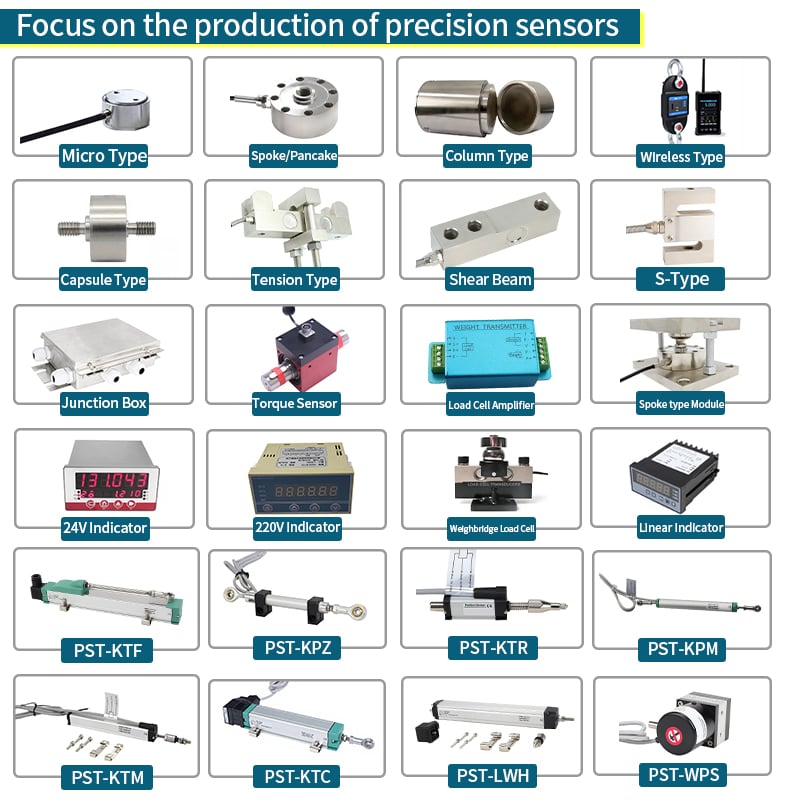
PST sensor is the original load cell and linear sensor factory since 2018, and also provide the pressure transmitter, encoder.
2. How can we guarantee quality?
Always test the raw material one by one before produce(Not a random checking ) Always final Inspection before shipment Always provide long to 18month quality guarantee
3.what can you buy from us?
Linear sensor,load cell,pressure sensor,encoder
4. why should you buy from us not from other suppliers?
PST is original sensors factory. We have the ability for independent research and development. Our engineer team are working over than 10years about the sensors, and sales team focused on the foreign trade over ten years. Trust our experience can give you more help.
5. what services can we provide?
1. Material customized(Stainless Steel, Aluminum Alloy)
2. Customized your label
3. OEM/ODM the sensors
Place of Origin: Jiangxi,China
Brand Name: PMC
Model Number: PMC-JN101
Application: Tension measurement
Minimum Order Quantity: 1 piece
Packaging Details: To be packed with small box.
Delivery Time: 3-5 working days after shipment by Express
Payment Terms: T/T
This is a title description that can briefly introduce the module.
We provide comprehensive technical support throughout the entire process, from product selection and installation guidance to calibration, maintenance, and after-sales service, ensuring reliable performance and long-term operation of your weighing systems.

Our engineers help you choose the right load cell based on application requirements, capacity, accuracy, and operating conditions.

Technical assistance for installation, wiring, and system integration to ensure smooth operation.

Professional calibration and testing services to verify accuracy, reliability, and measurement performance.

Continuous technical support, troubleshooting, and maintenance services to maximize product lifetime.