EN
EN

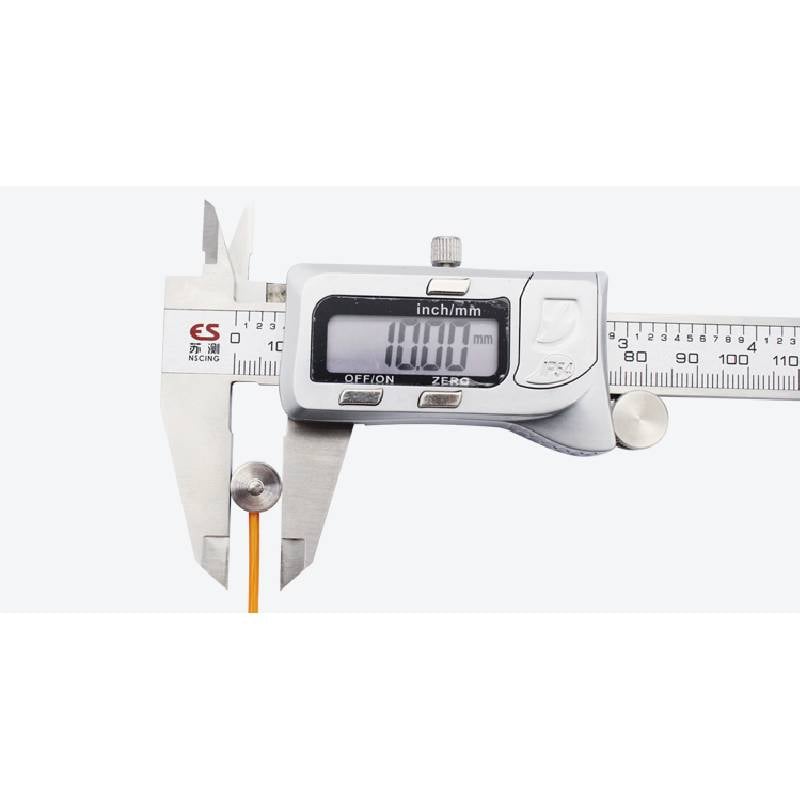
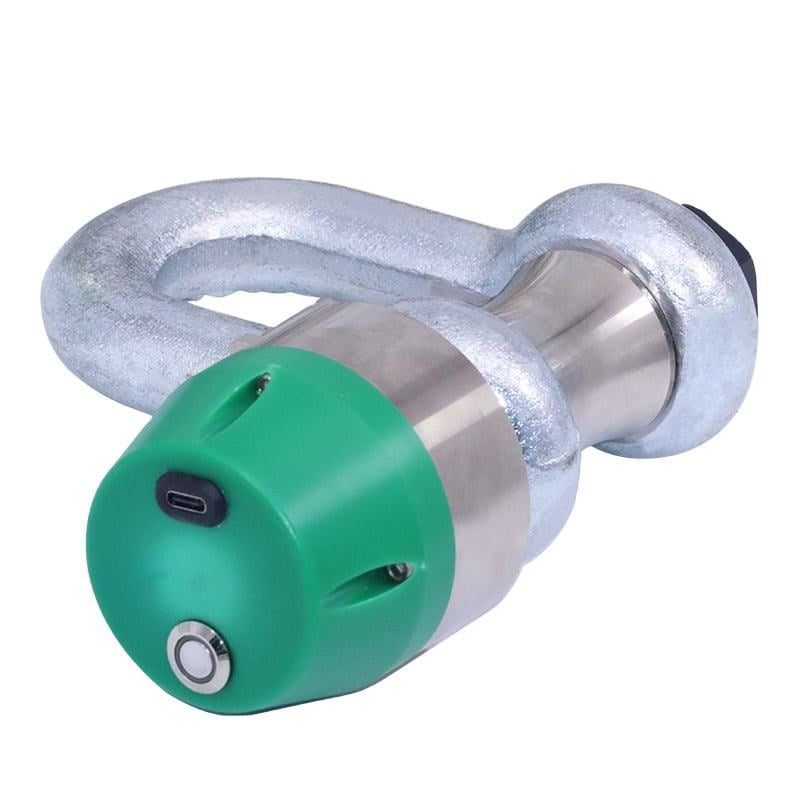
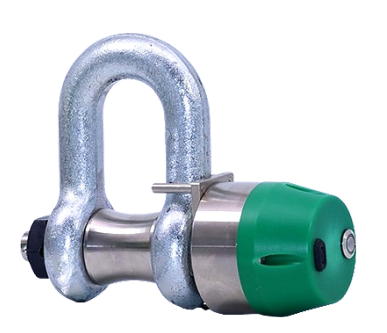
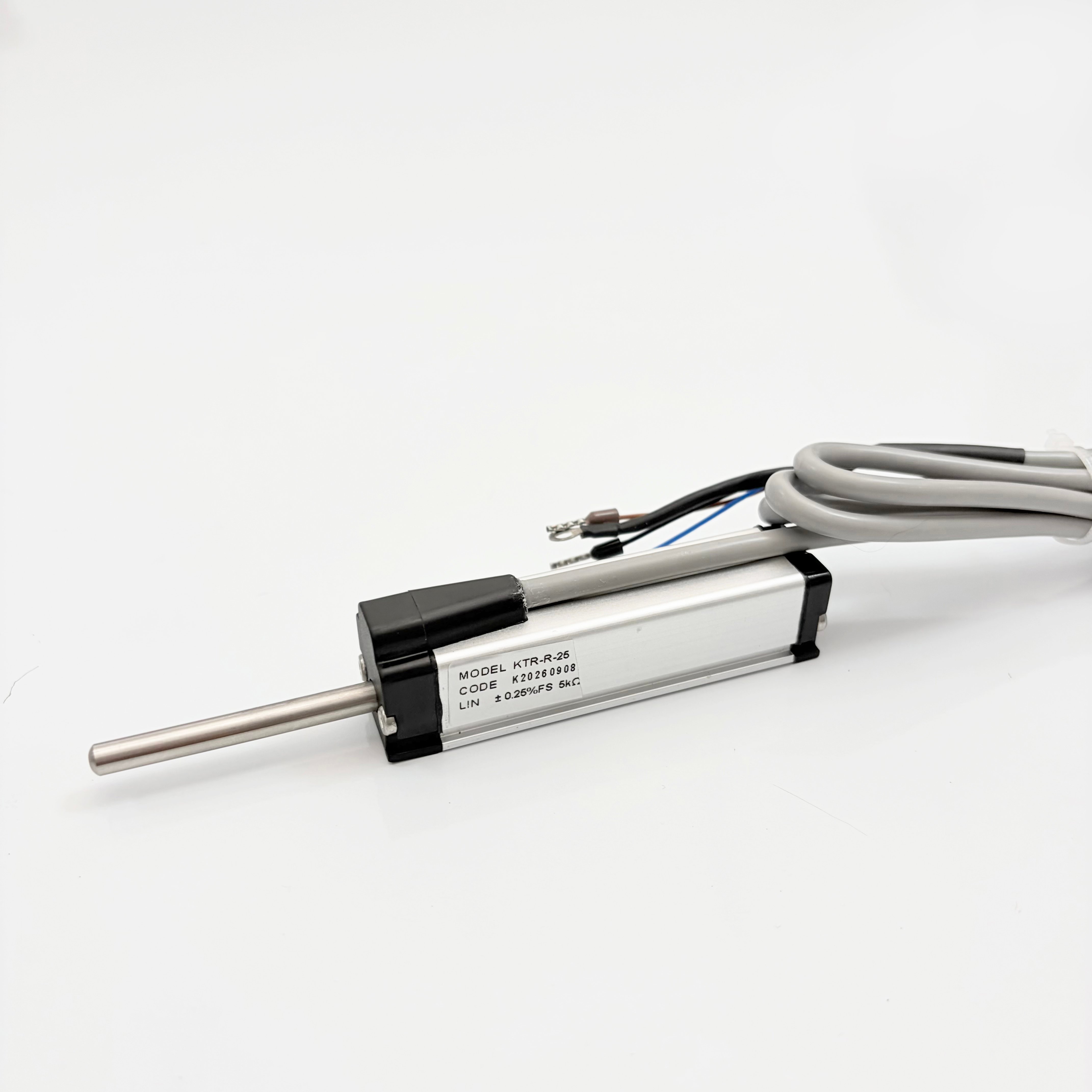
Product Selection Support
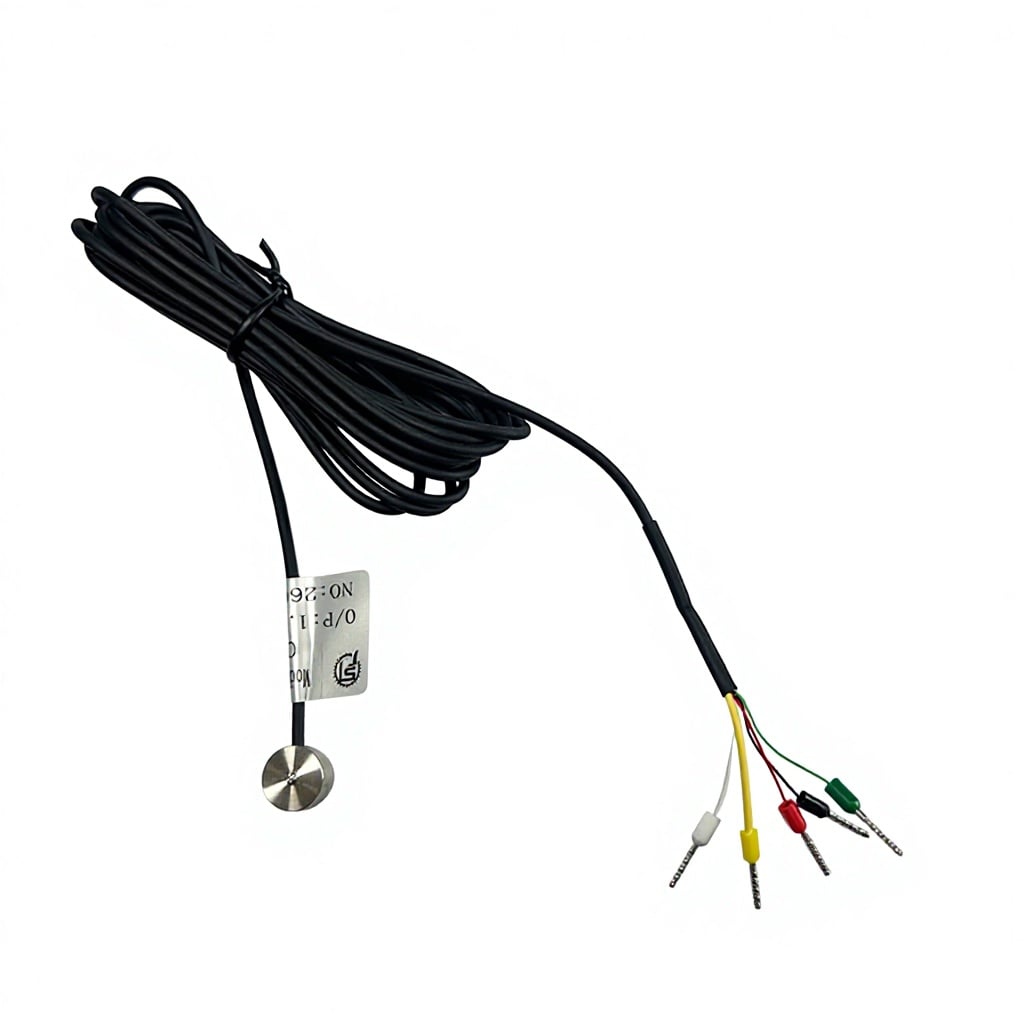
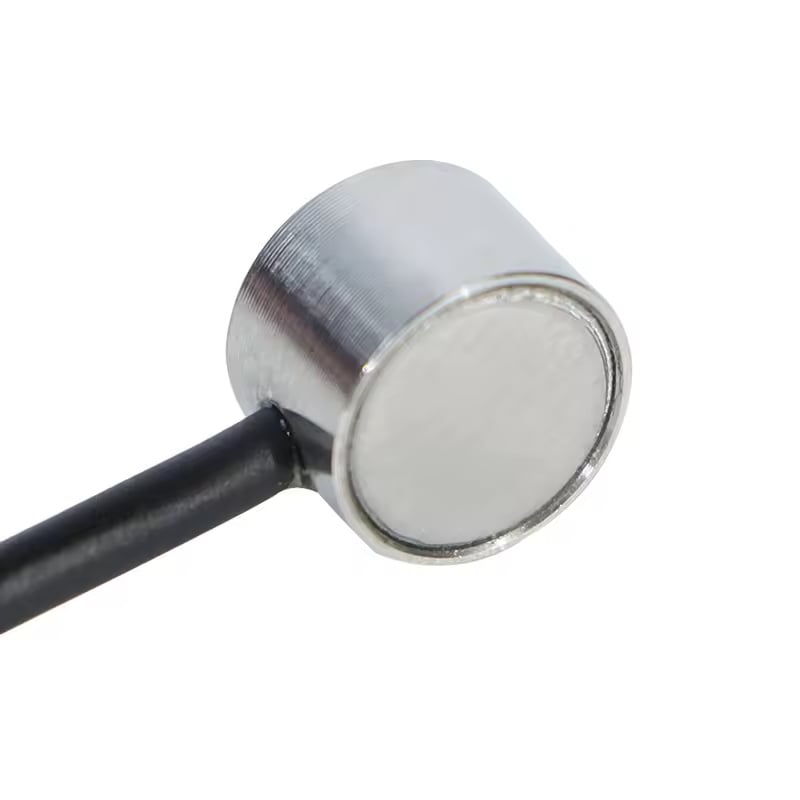
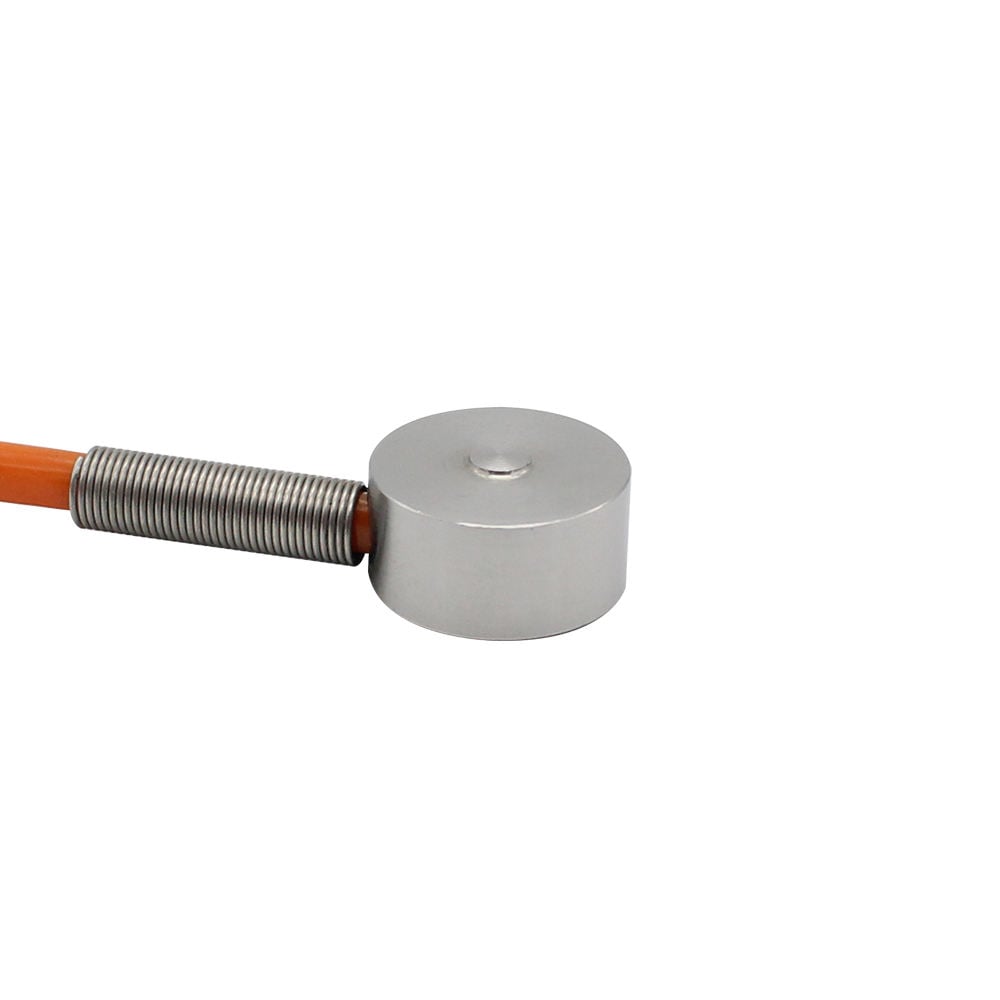
Our engineers help you choose the right load cell based on application requirements, capacity, accuracy, and operating conditions.

Place of Origin: Jiangxi,China
Brand Name: PMC
Model Number: PMC-500
Application: Tension measurement
Minimum Order Quantity: 1 piece
Packaging Details: To be packed with small box.
Delivery Time: 3-5 working days after shipment by Express
Payment Terms: T/T
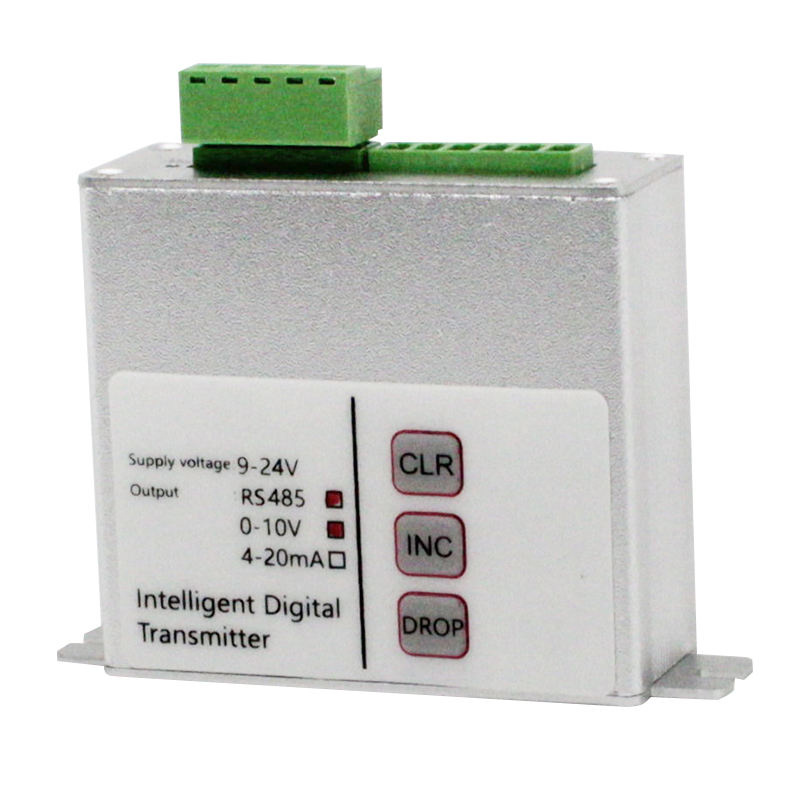
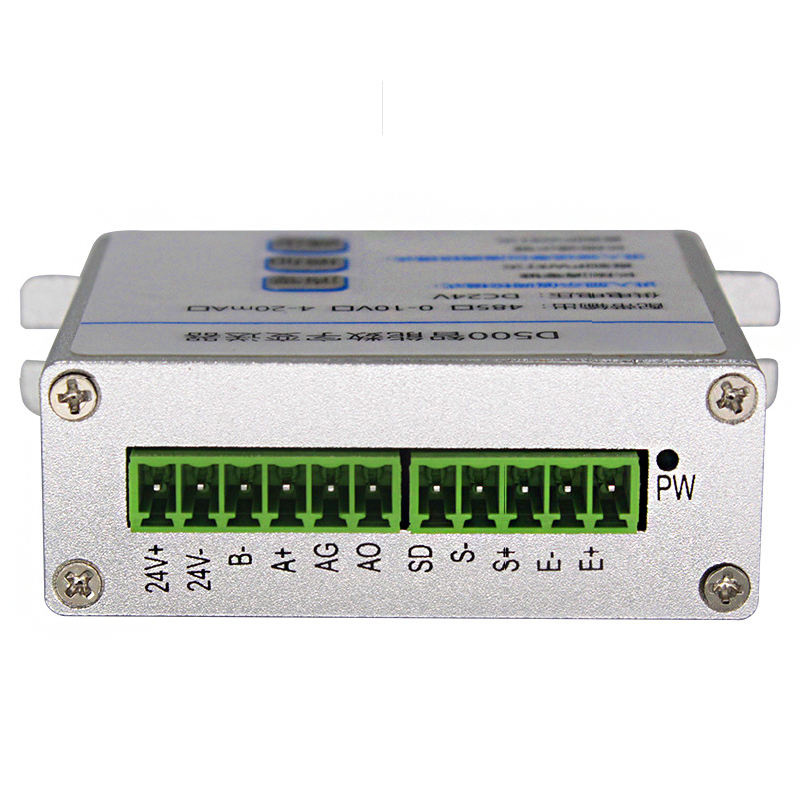
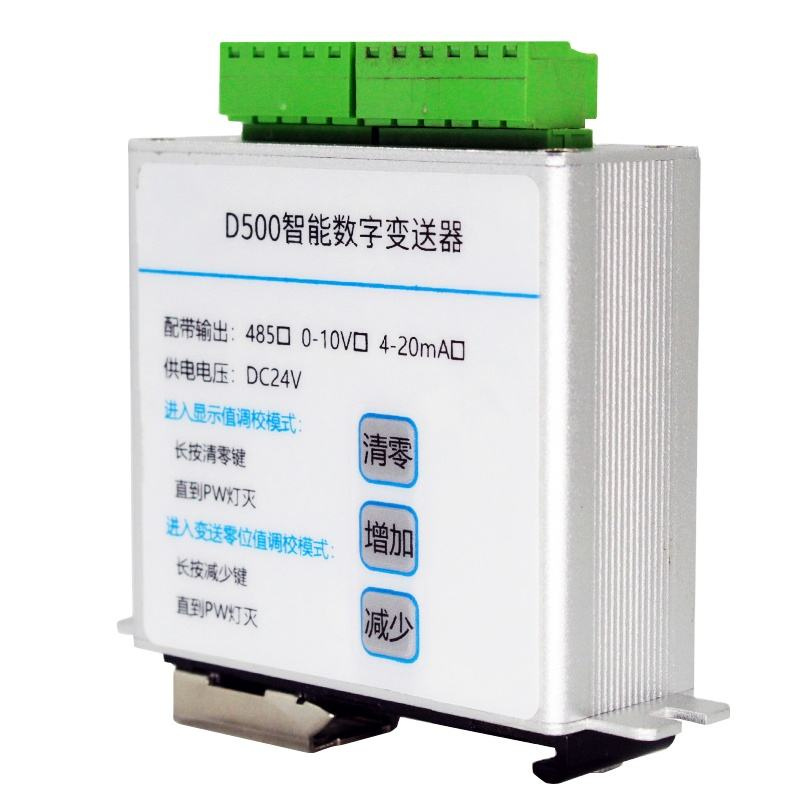
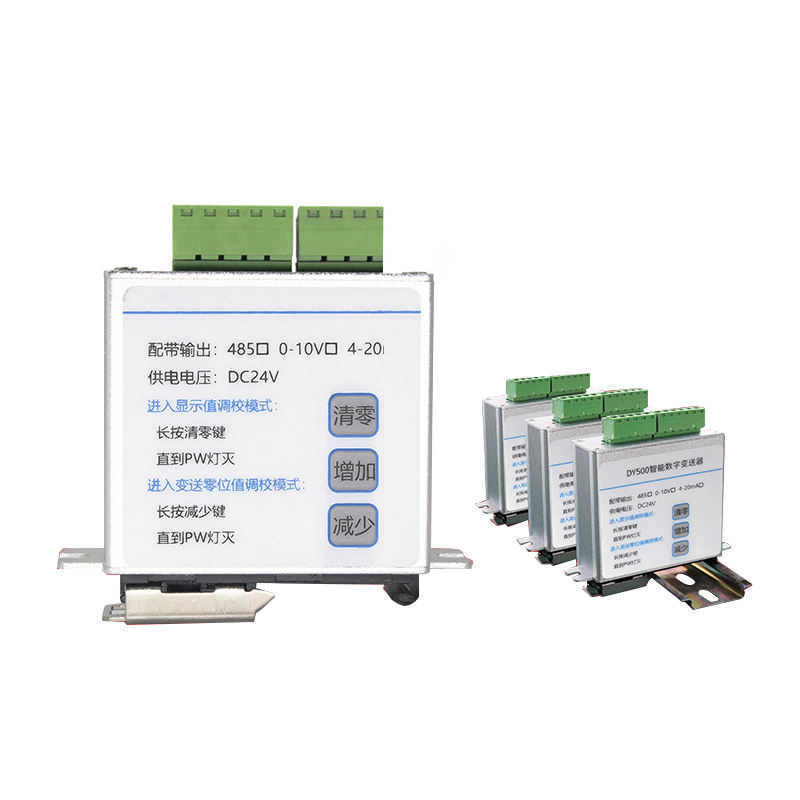
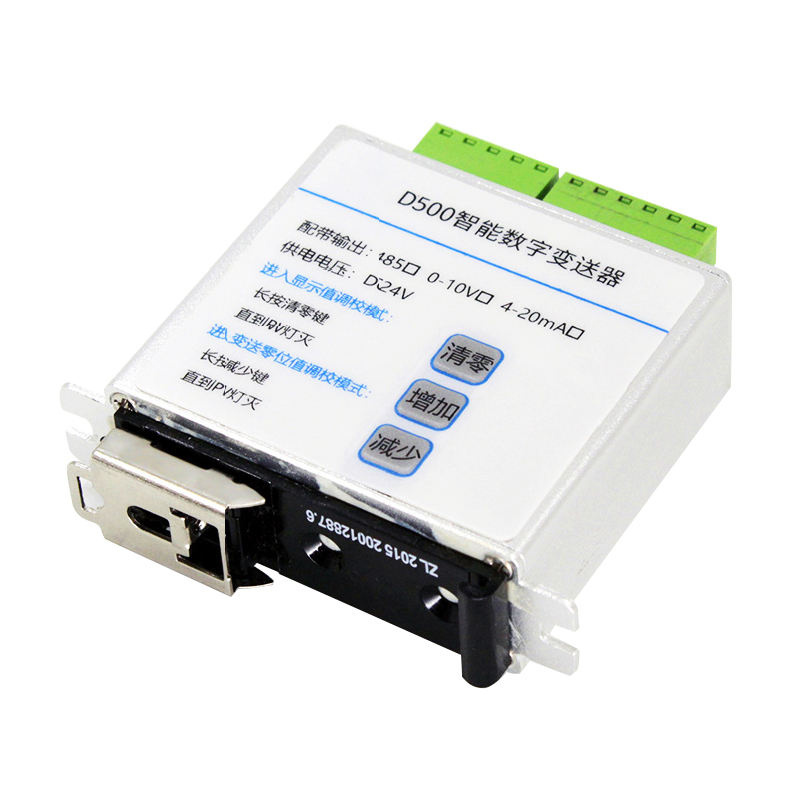
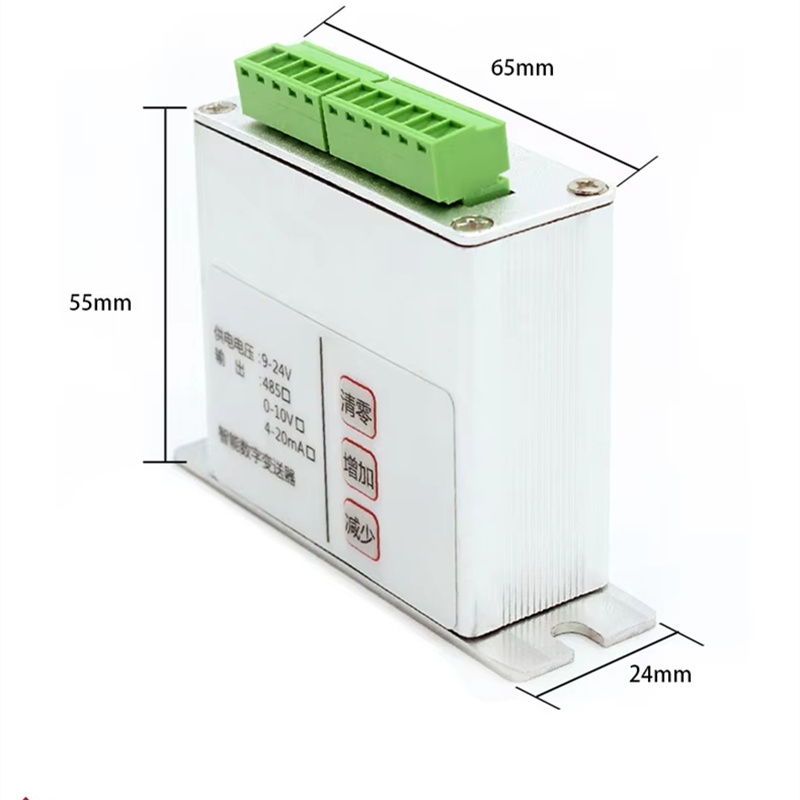
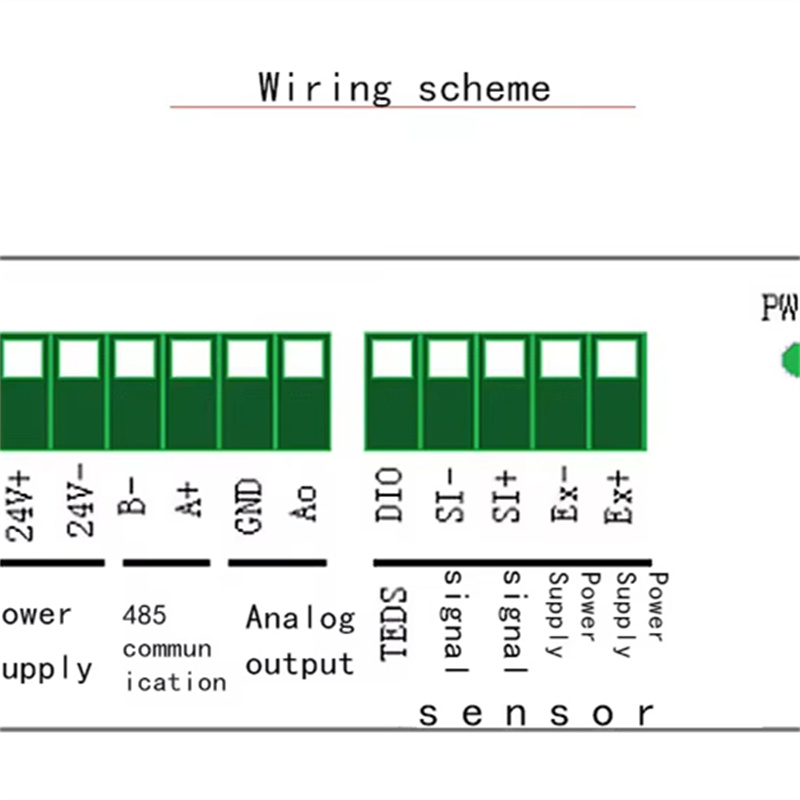
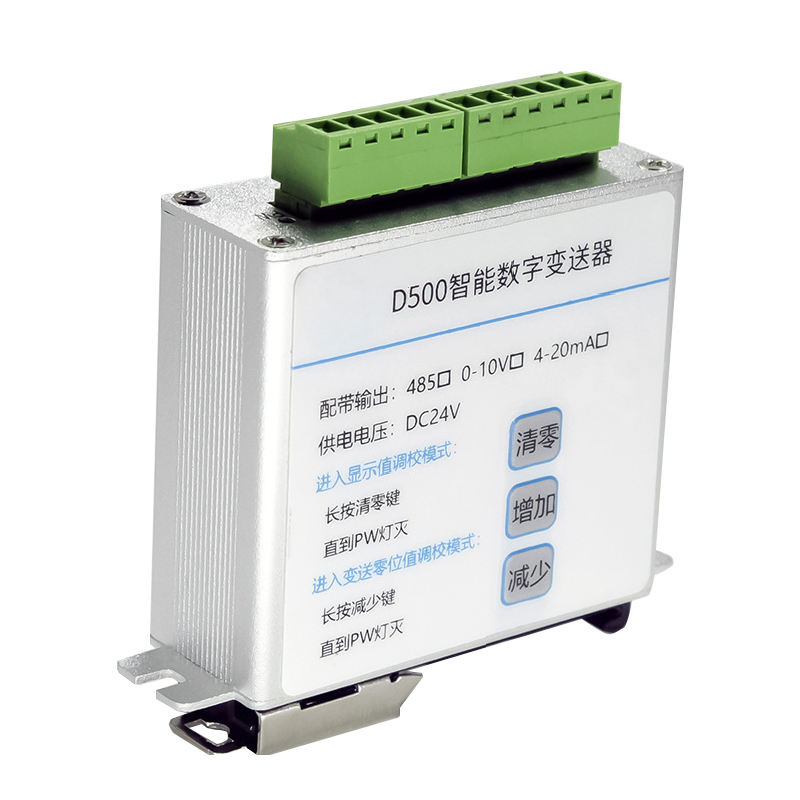
The DY500 intelligent digital weighing transmitter is powered by DC12-26V, with a power consumption of less than 3W. It features a sampling accuracy of 12-16 bits and an adjustable sampling speed. It supports both RS485-ModbusRTU and active ASCII code upload communication modes, as well as 0-10V and 4-20mA analog transmission outputs. Communication and analog signals can be output synchronously. The device comes with buttons for one-key reset, automatic reset, parameter setting, and factory reset. It supports automatic calibration of TEDS sensors and allows for reading, resetting, calibration, and parameter modification through a host computer. It supports bidirectional signal output for tension and compression, and has built-in configurable parameters such as filtering, zero tracking, and stability judgment. The registers are readable and writable, making it suitable for weighing and force measurement industrial control scenarios
PST mv Signal Amplifier for Load Cell Transmitter Signal Converter Supply 15-30V DC Output RS485 Modbus RTU Protocol Accuracy Better
PST introduces the mv Signal Amplifier for Load Cell Transmitter Signal Converter, an engineered solution that brings unmatched signal integrity and industrial communication to modern weighing and force-measurement applications. Designed for industries that demand repeatable accuracy and robust connectivity, the PST mv signal amplifier functions as a versatile load cell amplifier RS485 device and Modbus RTU signal converter, enabling seamless integration with control systems, data acquisition platforms, and wireless dynamometer integration architectures.
Product Overview and Core Functionality
The PST mv signal amplifier for load cell transmitter signal converter is tailored to amplify millivolt-level signals from strain gauge load cells, converting fragile analog outputs into stable digital data streams over RS485. As a high-precision mv transmitter, this load cell amplifier RS485 product supports a 15–30V DC supply and implements the Modbus RTU protocol to ensure predictable, interoperable performance across a wide range of industrial controllers and monitoring systems. The PST solution translates microvolt and millivolt signals into accurate, noise-resistant Modbus RTU frames, making it ideal wherever precision weighing, force sensing, and telemetry are essential.
Key Features
- High-precision mv transmitter performance: The PST mv signal amplifier captures low-level signals with superior resolution and linearity, ensuring that the smallest changes in load cell output are faithfully represented. This high-precision mv transmitter capability is critical for calibration-intensive use cases and applications requiring traceable measurement integrity.
- Load cell amplifier RS485 connectivity: Native RS485 support provides robust, long-distance communication for industrial settings. As a load cell amplifier RS485 device, the PST amplifier enables multi-drop network topologies and reliable differential signaling to minimize electromagnetic interference in noisy environments.
- Modbus RTU signal converter compatibility: The integrated Modbus RTU protocol stack transforms amplified analog values into standardized digital registers accessible by PLCs, SCADA, and data logging systems. The Modbus RTU signal converter function simplifies integration with existing automation frameworks and supports easy polling and multi-device addressing.
- Wide supply voltage range: Running on 15–30V DC, the amplifier accommodates varied field power arrangements and ensures stable operation even in demanding installations.
Applications and Use Cases
The PST mv signal amplifier for load cell transmitter signal converter addresses a broad spectrum of industrial and commercial applications. Primary uses include precision weighing systems, conveyor scale monitoring, tank and hopper weighing, crane and lifting equipment monitoring, and force measurement in laboratory or R&D environments. Its role as a load cell amplifier RS485 and Modbus RTU signal converter also makes it indispensable for distributed sensor networks where multiple high-precision mv transmitters must be aggregated into a unified control system.
- Weighing systems and scale controllers: Integrate the high-precision mv transmitter into weighbridges, industrial platform scales, and check-weighers to maintain accurate, timely weight reporting over RS485 networks.
- Process control and batching: Use the Modbus RTU signal converter feature to feed accurate weight and force data into PLCs managing dosing, batching, or feed control processes.
- Wireless dynamometer integration: For mobile or remote load measurement, the device serves as the bridge between load cell outputs and wireless dynamometer integration modules, enabling dependable data up-links while preserving measurement fidelity.
- Structural testing and force measurement: Lab and field test rigs benefit from the load cell amplifier RS485 output for real-time logging and synchronized measurement across multiple channels.
Innovation and Technical Advantages
- Precision signal conditioning: Optimized analog front-end circuits reduce offset drift and nonlinearities, producing a stable, repeatable mv transmitter output.
- Scalable Networkability: As a load cell amplifier RS485 instrument, multiple devices can be networked on a single RS485 bus, facilitating scalable deployments across factory floors and test labs.
- Protocol accuracy and compatibility: The Modbus RTU signal converter ensures data integrity and exchange compatibility with industry-standard controllers and SCADA systems, providing predictable behavior and simplified integration.
- Temperature compensation and calibration: Built-in compensation routines and calibration workflows help maintain measurement accuracy across temperature changes and varying environmental conditions.
Integration and Deployment Guidance
Integrating PST’s mv signal amplifier for load cell transmitter signal converter is straightforward. The load cell connects directly to the amplifier’s input terminals. With the device powered by a 15–30V DC supply, it conditions and converts the analog input to a digital RS485 stream that follows Modbus RTU conventions. Installers can map measurement registers to the master controller’s addressing scheme and configure communication parameters such as baud rate, parity, and device ID to match the control network. Because the load cell amplifier RS485 device supports multi-drop wiring, technicians can place multiple high-precision mv transmitters on a single bus for efficient wiring and centralized data collection.
Why Choose PST
JIANGXI JINGCE SENSING TECHNOLOGY CO., LTD. applies decades of sensor engineering and manufacturing expertise to every product. PST’s load cell amplifier RS485 and Modbus RTU signal converter is backed by CE and RoHS certifications and benefits from the company’s OEM/ODM experience in lifting, weighing, automation, and new energy markets. Customers choosing PST receive a product designed for accuracy, reliability, and seamless integration with both legacy and modern control systems.
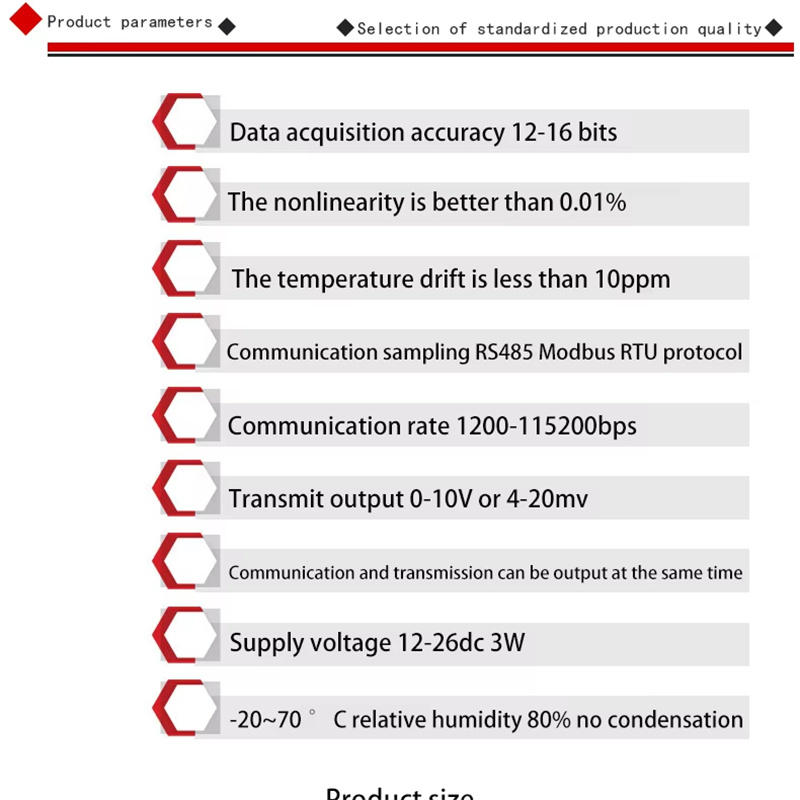
| Parameter Name | Specifications |
| Data acquisition accuracy | 12‑16 bits |
| Non‑linearity | Better than 0.01% |
| Temperature drift | Less than 10ppm |
| Communication sampling | RS485 Modbus RTU protocol |
| Baud rate | 1200‑115200bps |
| Transmit output | 0‑10V or 4‑20mA |
| Simultaneous output | Communication and transmission output available simultaneously |
| Supply voltage | 12‑26V DC, 3W |
| Operating temperature | -20 ~ 70°C |
| Relative humidity | 80%, non‑condensing |
It is compatible with various strain gauge weighing, tensile, and pressure sensors, and is widely used in the chemical, food, and building materials industries for weighing silos and bins, feeding reactors, multi-material automatic batching systems, as well as for on-line weight checking and sorting, and quantitative filling and packaging. It is also suitable for various mechanical testing machines, presses, and assembly force testing equipment. It can interface with PLCs and industrial computers for force data acquisition and closed-loop control, and can be applied to industrial measurement and control scenarios such as new energy equipment testing, lifting equipment load monitoring, and force measurement testing in scientific research laboratories. It can meet the needs of on-site button calibration and debugging, as well as remote parameter configuration via a host computer
1. Who are we?
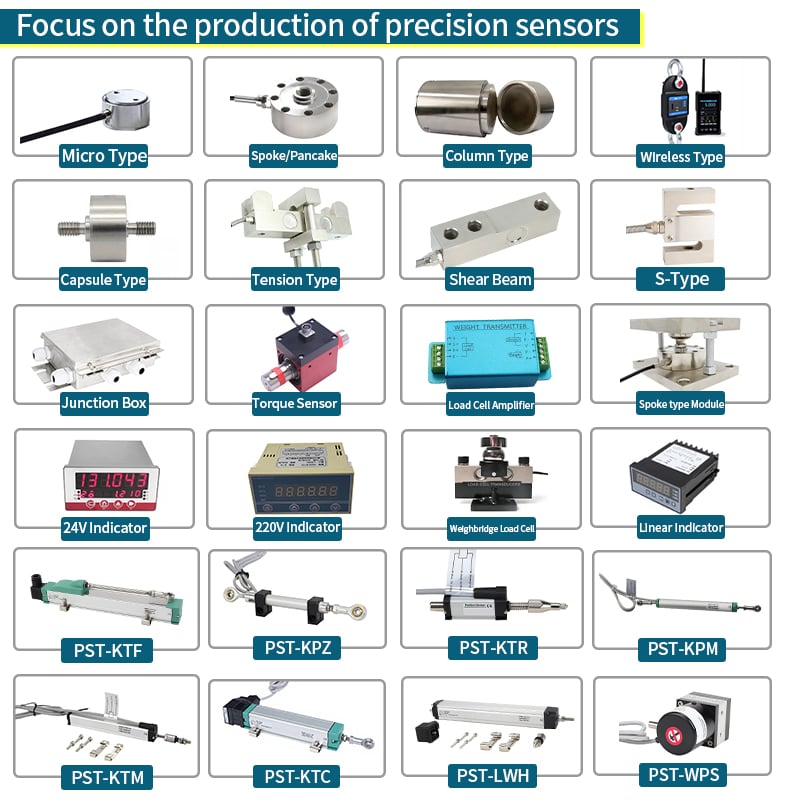
PST sensor is the original load cell and linear sensor factory since 2018, and also provide the pressure transmitter, encoder.
2. How can we guarantee quality?
Always test the raw material one by one before produce(Not a random checking ) Always final Inspection before shipment Always provide long to 18month quality guarantee
3.what can you buy from us?
Linear sensor,load cell,pressure sensor,encoder
4. why should you buy from us not from other suppliers?
PST is original sensors factory. We have the ability for independent research and development. Our engineer team are working over than 10years about the sensors, and sales team focused on the foreign trade over ten years. Trust our experience can give you more help.
5. what services can we provide?
1. Material customized(Stainless Steel, Aluminum Alloy)
2. Customized your label
3. OEM/ODM the sensors
Place of Origin: Jiangxi,China
Brand Name: PMC
Model Number: PMC-500
Application: Tension measurement
Minimum Order Quantity: 1 piece
Packaging Details: To be packed with small box.
Delivery Time: 3-5 working days after shipment by Express
Payment Terms: T/T
This is a title description that can briefly introduce the module.
We provide comprehensive technical support throughout the entire process, from product selection and installation guidance to calibration, maintenance, and after-sales service, ensuring reliable performance and long-term operation of your weighing systems.

Our engineers help you choose the right load cell based on application requirements, capacity, accuracy, and operating conditions.

Technical assistance for installation, wiring, and system integration to ensure smooth operation.

Professional calibration and testing services to verify accuracy, reliability, and measurement performance.

Continuous technical support, troubleshooting, and maintenance services to maximize product lifetime.