EN
EN

Product Selection Support
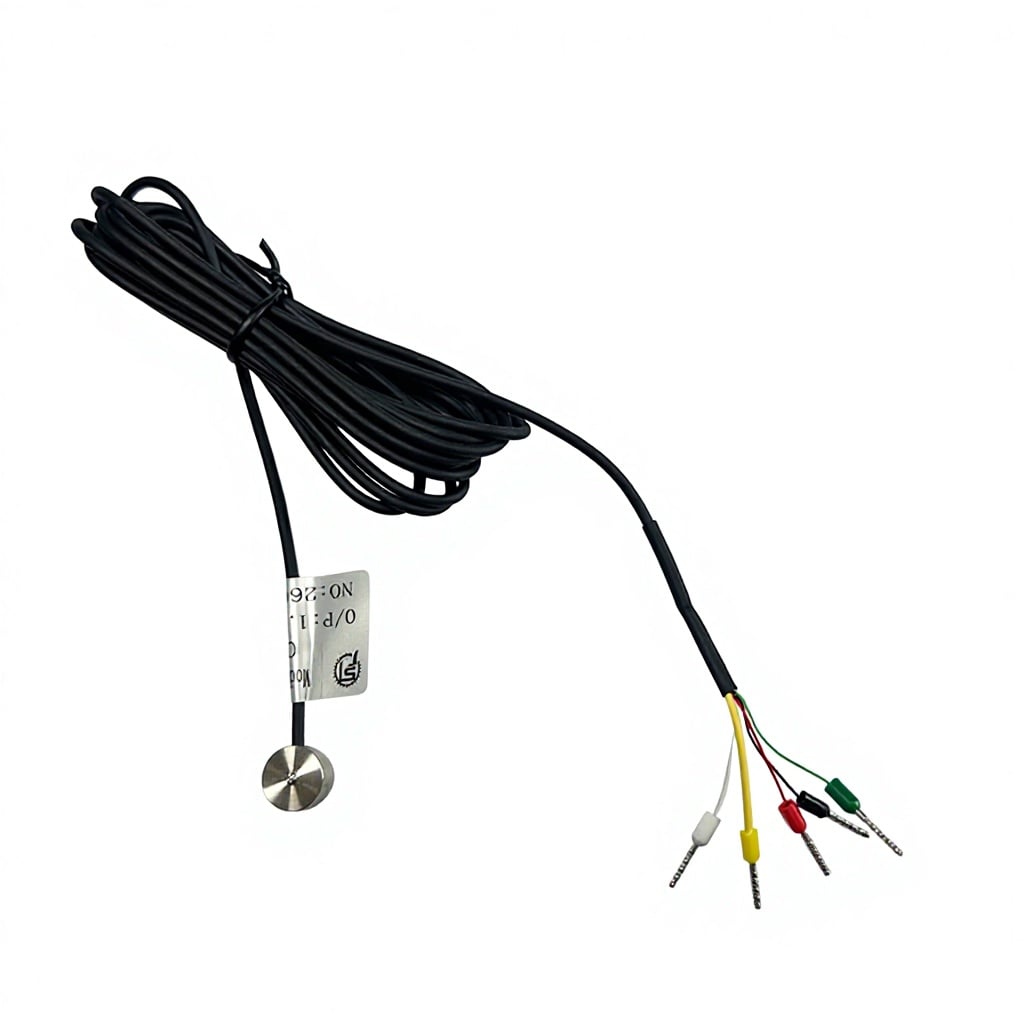
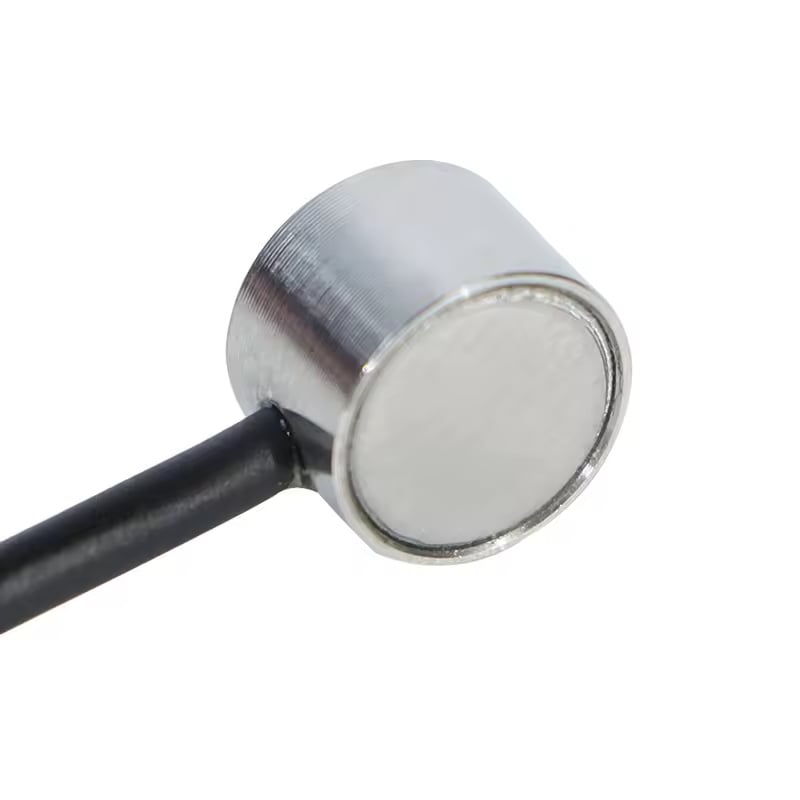
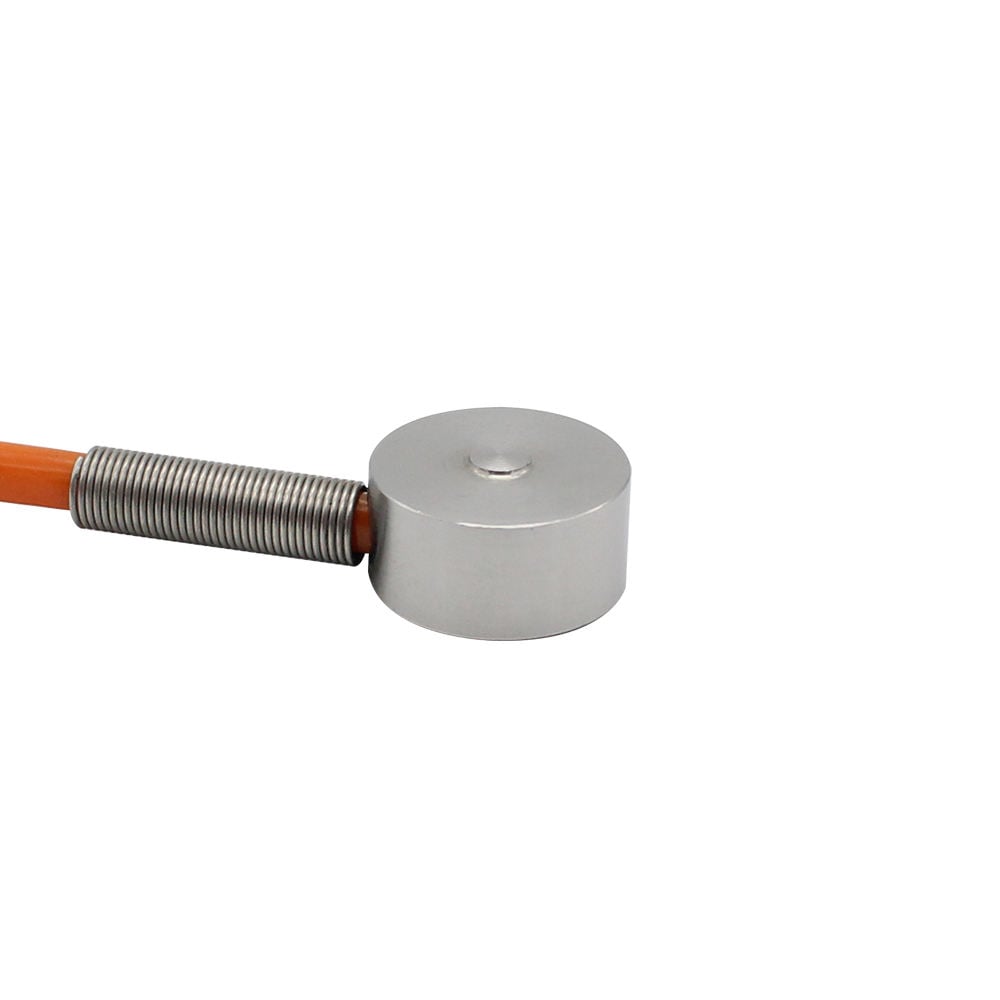
Our engineers help you choose the right load cell based on application requirements, capacity, accuracy, and operating conditions.
Place of Origin: Jiangxi,China
Brand Name: PMC
Model Number: PMC-N200
Application: Tension measurement
Minimum Order Quantity: 1 piece
Packaging Details: To be packed with small box.
Delivery Time: 3-5 working days after shipment by Express
Payment Terms: T/T
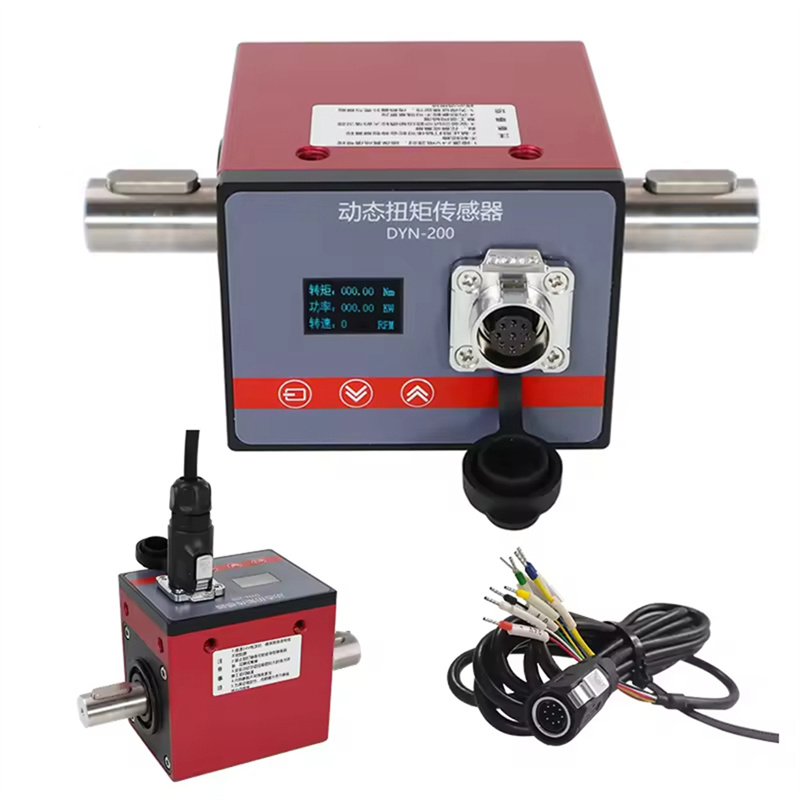
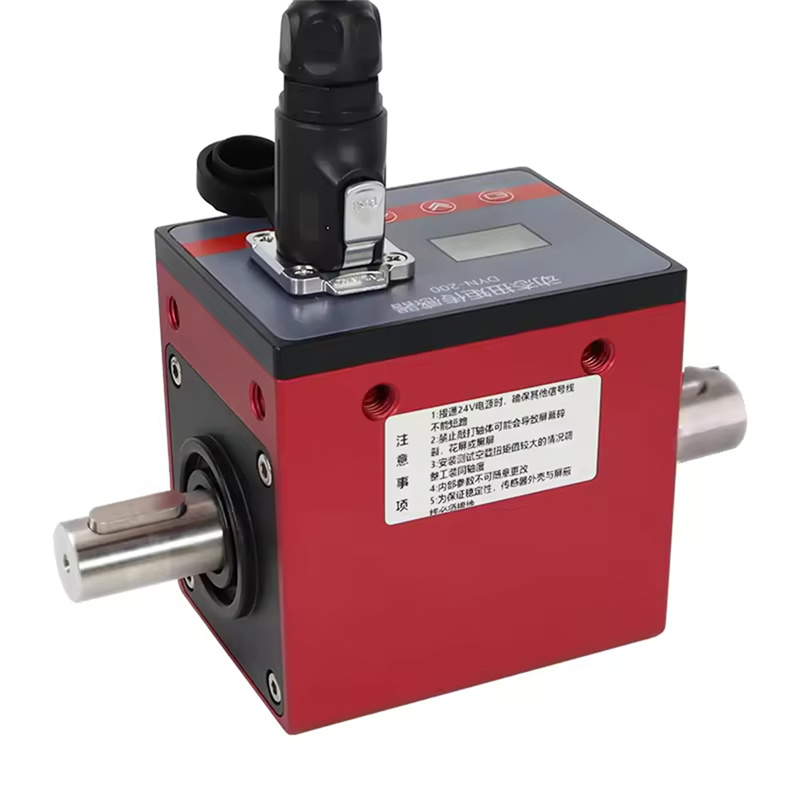
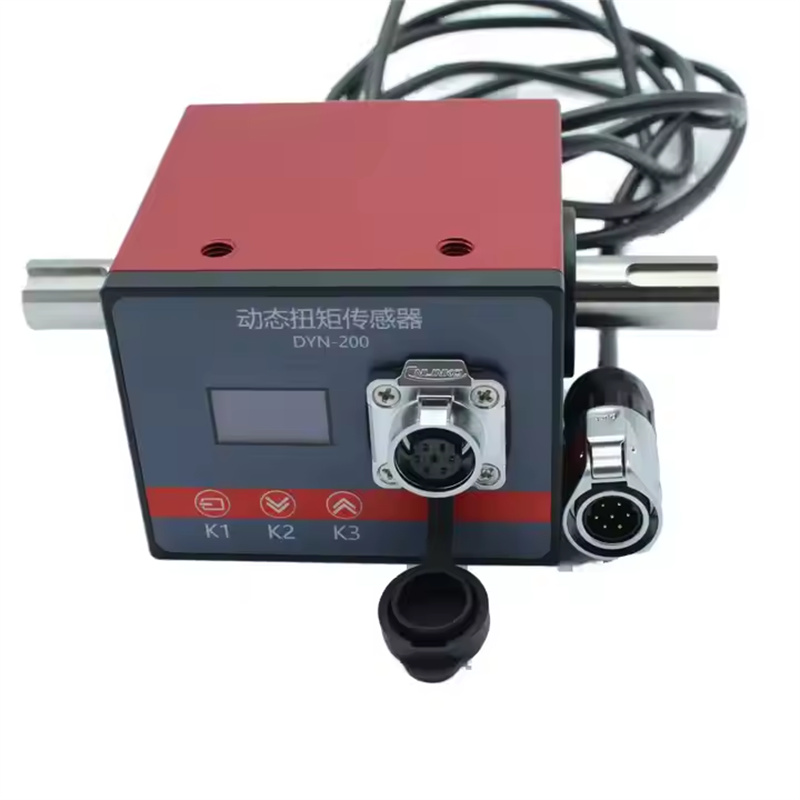
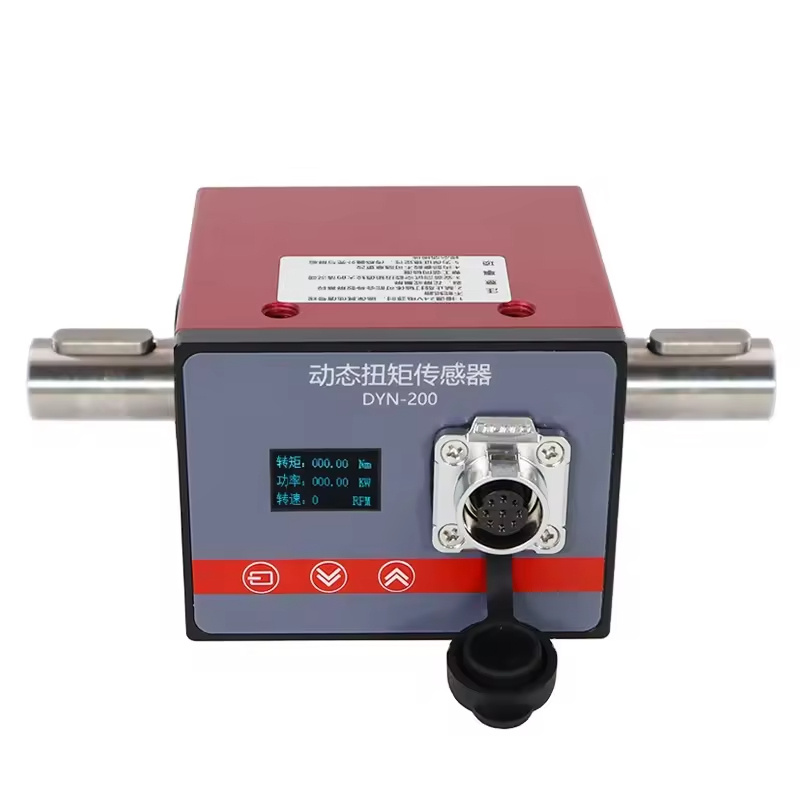
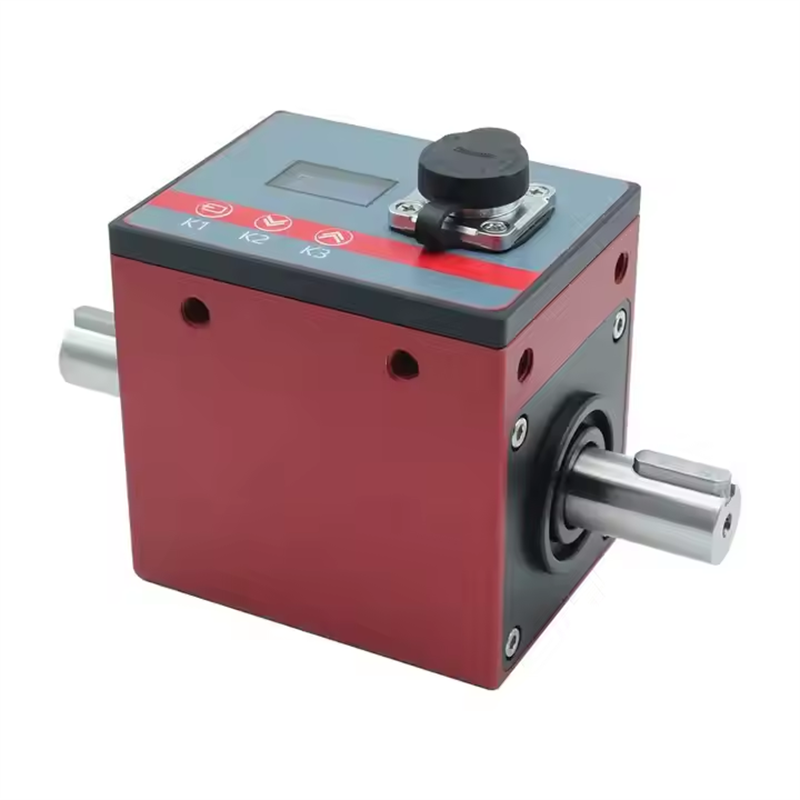
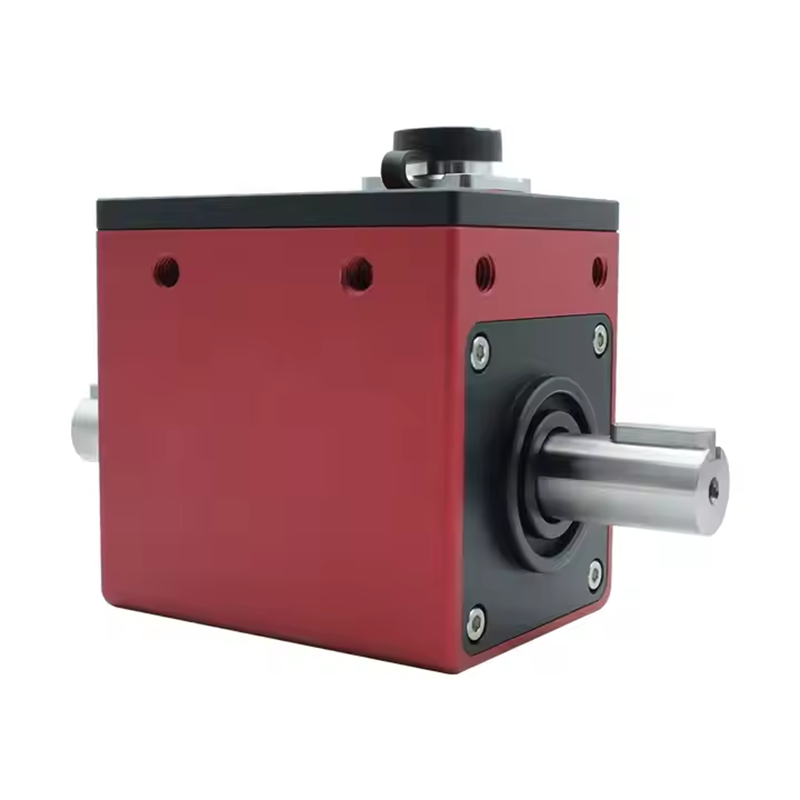
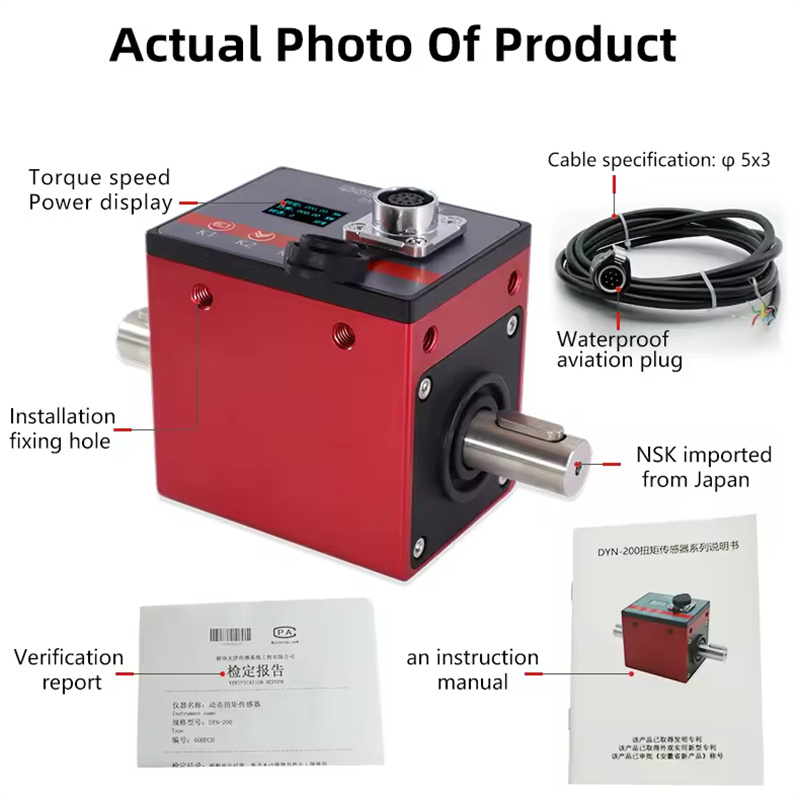
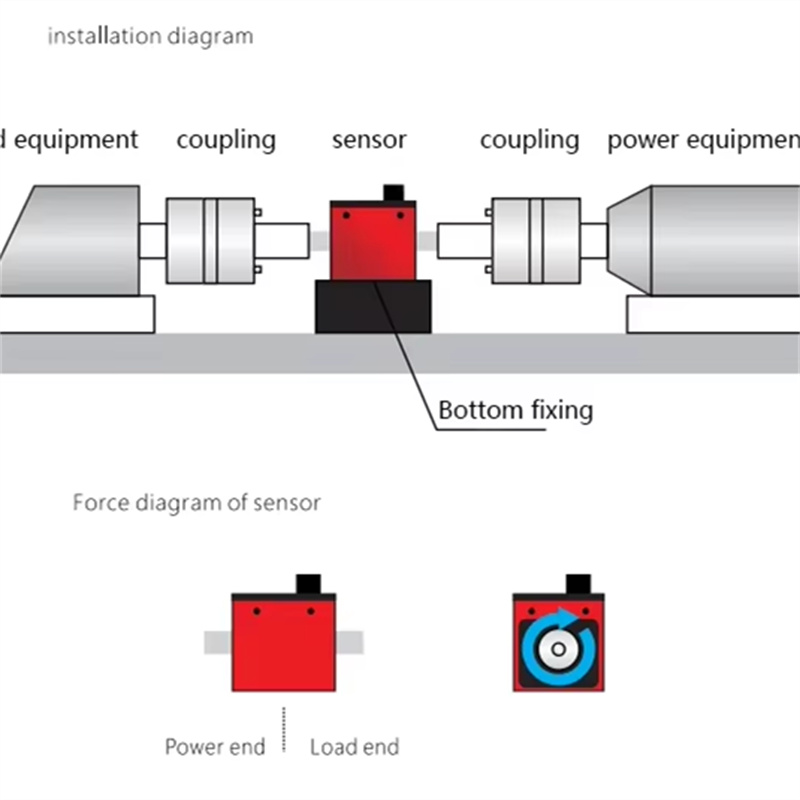
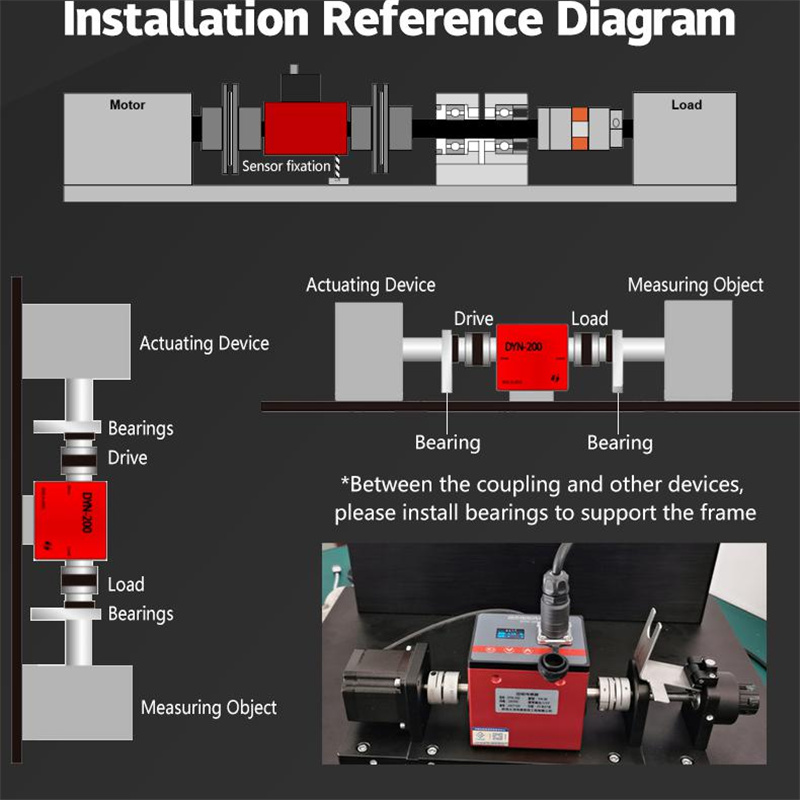
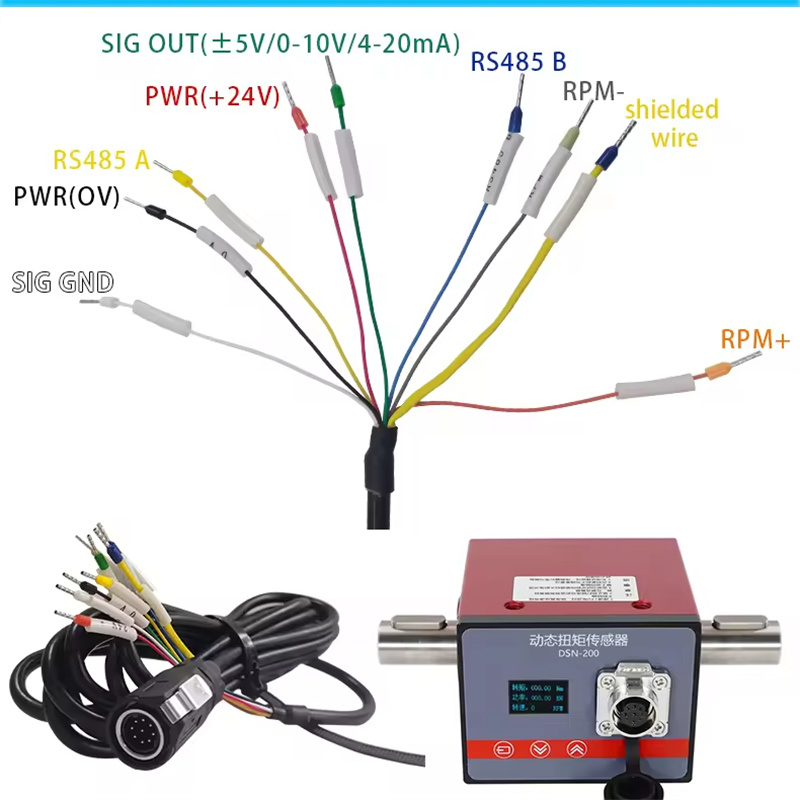
This torque sensor is capable of measuring both static and rotational torque, displaying torque and speed in real time, and directly calculating power. It supports RS485 active upload communication with a maximum communication rate of 1000 times per second. It can simultaneously output and transmit current and voltage. Equipped with a 128*64 OLED display, it supports simple calibration, zero clearing, and filtering. It boasts a 200% overload capacity, an accuracy better than 1/1000, and excellent zero point stability
PST Non-Contact Rotary Torque Sensor Torque Meter: Advanced Dynamic Rotary Torque Measurement for Electric Motor, Aerospace and Defense Applications
PST introduces a state-of-the-art rotary torque sensor and non-contact torque meter engineered specifically for high-precision dynamic rotary torque measurement in electric motor testing and demanding aerospace and defense applications. Drawing on JIANGXI JINGCE SENSING TECHNOLOGY CO., LTD.’s decade-spanning expertise in load cells, force sensors, and wireless dynamometers, the PST non-contact torque meter delivers exceptional performance, reliability, and integration flexibility for OEM and testing environments.
Product Overview
The PST rotary torque sensor is a non-contact torque meter designed to capture dynamic torque measurement with high fidelity and minimal intrusion on rotating systems. This non-contact torque meter eliminates mechanical slip rings and contact wear, enabling continuous operation and reduced maintenance. Built for electric motor testing, aerospace and defense rigs, and other rotating machinery, the PST rotary torque sensor supports high-speed rotational environments, transient torque events, and long-duration endurance testing.
Key Features
- Non-contact torque meter architecture: The PST non-contact torque meter uses magnetic coupling and advanced sensing electronics to measure torque without physical contact to the rotating shaft. This enhances durability and minimizes signal degradation caused by mechanical wear.
- High-precision rotary torque sensor element: The core rotary torque sensor exhibits excellent linearity, low hysteresis, and repeatable performance across a wide torque range. It is optimized for dynamic torque measurement scenarios where rapid torque fluctuations must be tracked accurately.
- Wide bandwidth for dynamic torque measurement: PST rotary torque sensor electronics are designed to capture high-frequency torque transients, making the device ideal for electric motor testing, transient response characterization, and vibration-influenced torque analysis.
- Compact, rugged packaging: The non-contact torque meter is housed in a robust enclosure suitable for laboratory and field use. Materials and sealing meet rigorous environmental demands commonly found in aerospace and defense testing.
Applications
PST non-contact torque meter and rotary torque sensor solutions excel in scenarios where precision dynamic torque measurement is critical. Common applications include:
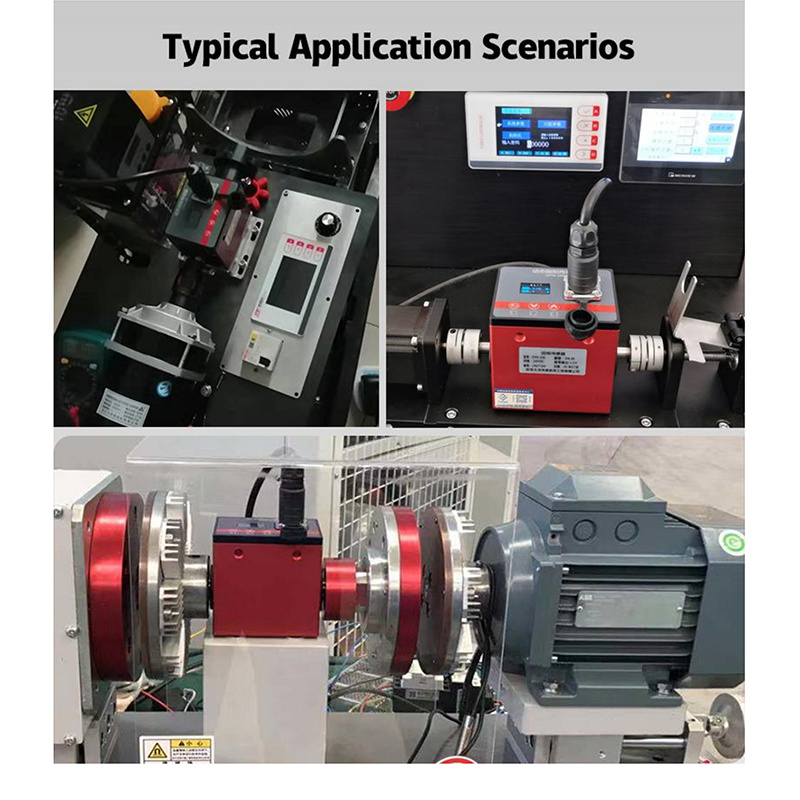
- Electric motor testing: Accurate rotary torque sensor feedback for efficiency mapping, torque ripple analysis, transient torque response, and endurance testing of brushed and brushless motors.
- Aerospace propulsion and control systems: High-fidelity dynamic torque measurement of actuators, gyros, and rotating subsystems where non-contact torque meter operation removes mechanical constraints and reduces maintenance intervals.
- Defense systems and weaponry testing: Torque characterization under high-speed and high-stress operational profiles, where the rotary torque sensor must capture rapid torque events reliably and repeatedly.
- Automotive and new energy components: Evaluation of driveline components, e-motors, and hybrid systems using dynamic torque measurement to support product development and quality assurance.
Technical Advantages and Innovation
The PST rotary torque sensor and non-contact torque meter combine several technical innovations that confer measurable advantages for dynamic rotary torque measurement:
- True non-contact sensing method: Eliminating contact points reduces wear and maintenance and provides uninterrupted torque data over long test durations. The non-contact torque meter’s magnetic coupling or optical encoder-derived approach maintains signal integrity across varied environmental conditions.
- Enhanced signal fidelity for dynamic torque measurement: With carefully engineered bandwidth and anti-aliasing filtering, the rotary torque sensor captures both low-frequency torque trends and high-frequency transients. This makes it uniquely suited for electric motor testing where torque ripple and instantaneous torque changes are essential metrics.
- Integrated speed and angle correlation: The non-contact torque meter correlates torque with rotational speed and angular position in real time, enabling comprehensive dynamic torque measurement that supports control system tuning, NVH (noise, vibration, harshness) studies, and performance modeling.
- Robust EMI/EMC immunity: Aerospace and defense test environments often present elevated electromagnetic interference. PST non-contact torque meter designs incorporate shielding and filtering to preserve rotary torque sensor accuracy in noisy conditions.
Performance Specifications - Representative
- Torque range: selectable ranges to suit micro- to high-torque rotary torque sensor requirements
- Bandwidth: wide frequency response optimized for dynamic torque measurement
- Accuracy: high linearity and repeatability to meet rigorous electric motor testing standards
- Speed capability: supports high RPM environments common in aerospace propulsion and electric motor bench testing
- Environmental rating: sealed for dust and moisture and engineered for temperature extremes typical of defense and aerospace testing
Integration and Support
PST and JIANGXI JINGCE SENSING TECHNOLOGY CO., LTD. provide comprehensive support for deploying rotary torque sensor and non-contact torque meter solutions:
- Turnkey OEM/ODM development to tailor rotary torque sensor and non-contact torque meter features for unique electric motor testing or aerospace and defense use cases.
- Calibration services and documentation to meet certification and traceability requirements.
- Application engineering to select optimal non-contact torque meter configurations and to integrate dynamic torque measurement data streams with existing DAQ systems, control platforms, and reporting tools.
- After-sales service and firmware updates to keep the rotary torque sensor and non-contact torque meter aligned with evolving measurement needs.
Why Choose PST for Dynamic Rotary Torque Measurement
Selecting a PST non-contact torque meter and rotary torque sensor brings together specialized sensing knowledge, proven manufacturing capabilities, and direct experience serving lifting, weighing, automation, and new energy industries. Whether the objective is precise electric motor testing, advanced aerospace component validation, or rigorous defense system characterization, PST’s non-contact torque meter solutions enable accurate dynamic torque measurement with reduced maintenance, high reliability, and seamless integration.
| Rated quantitative schedule | ±20000N.m |
| Speed signal | 120/60/10Pulse / turn |
| Zero output | ±0.05% F.S. |
| Non-linearity | 0.1%F.S. |
| lag | 0.5%F.S. |
| repetitiveness | 0.05%F.S. |
| Creep(30min) | 0.03%F.S. |
| Temperature sensitivity drift | 0.05% F.S. / 10ºC |
| Zero temperature drift | 0.05% F.S. / 10ºC |
| response time | 0.6(50% reaction speed)ms |
| picking rate | 550/1200Secondary / second |
| inertia moment | 0.38Kgcm |
| torsional constant | 3.85x10Nm/rad |
| material quality | stainless steel |
| Year stability | 0.3%/year |
| Safety overload | 150% |
The torque sensor is used to measure the torque, speed, and power of rotating components, and is applied in pre-delivery testing of motor drive products, online load monitoring of industrial equipment, overload protection, and performance and efficiency verification.
1. Who are we?
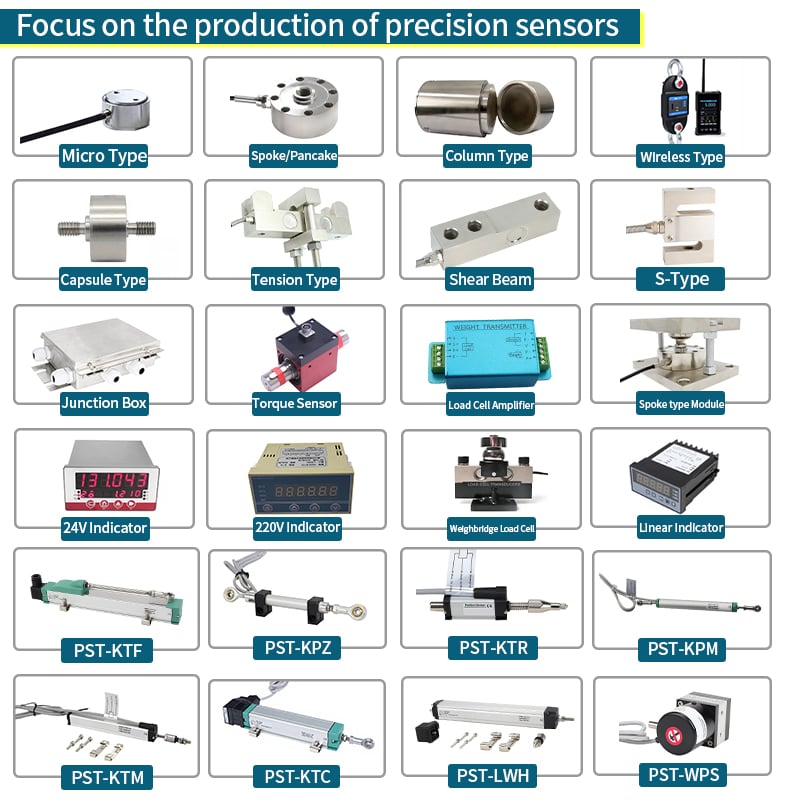
PST sensor is the original load cell and linear sensor factory since 2018, and also provide the pressure transmitter, encoder.
2. How can we guarantee quality?
Always test the raw material one by one before produce(Not a random checking ) Always final Inspection before shipment Always provide long to 18month quality guarantee
3.what can you buy from us?
Linear sensor,load cell,pressure sensor,encoder
4. why should you buy from us not from other suppliers?
PST is original sensors factory. We have the ability for independent research and development. Our engineer team are working over than 10years about the sensors, and sales team focused on the foreign trade over ten years. Trust our experience can give you more help.
5. what services can we provide?
1. Material customized(Stainless Steel, Aluminum Alloy)
2. Customized your label
3. OEM/ODM the sensors
Place of Origin: Jiangxi,China
Brand Name: PMC
Model Number: PMC-N200
Application: Tension measurement
Minimum Order Quantity: 1 piece
Packaging Details: To be packed with small box.
Delivery Time: 3-5 working days after shipment by Express
Payment Terms: T/T
This is a title description that can briefly introduce the module.
We provide comprehensive technical support throughout the entire process, from product selection and installation guidance to calibration, maintenance, and after-sales service, ensuring reliable performance and long-term operation of your weighing systems.

Our engineers help you choose the right load cell based on application requirements, capacity, accuracy, and operating conditions.

Technical assistance for installation, wiring, and system integration to ensure smooth operation.

Professional calibration and testing services to verify accuracy, reliability, and measurement performance.

Continuous technical support, troubleshooting, and maintenance services to maximize product lifetime.